Peak Design Everyday Sling 6L review: a reason to pack less and shoot more
Disclosure: Peak Design provided the Everyday Sling 6L for review. All opinions expressed are my own.
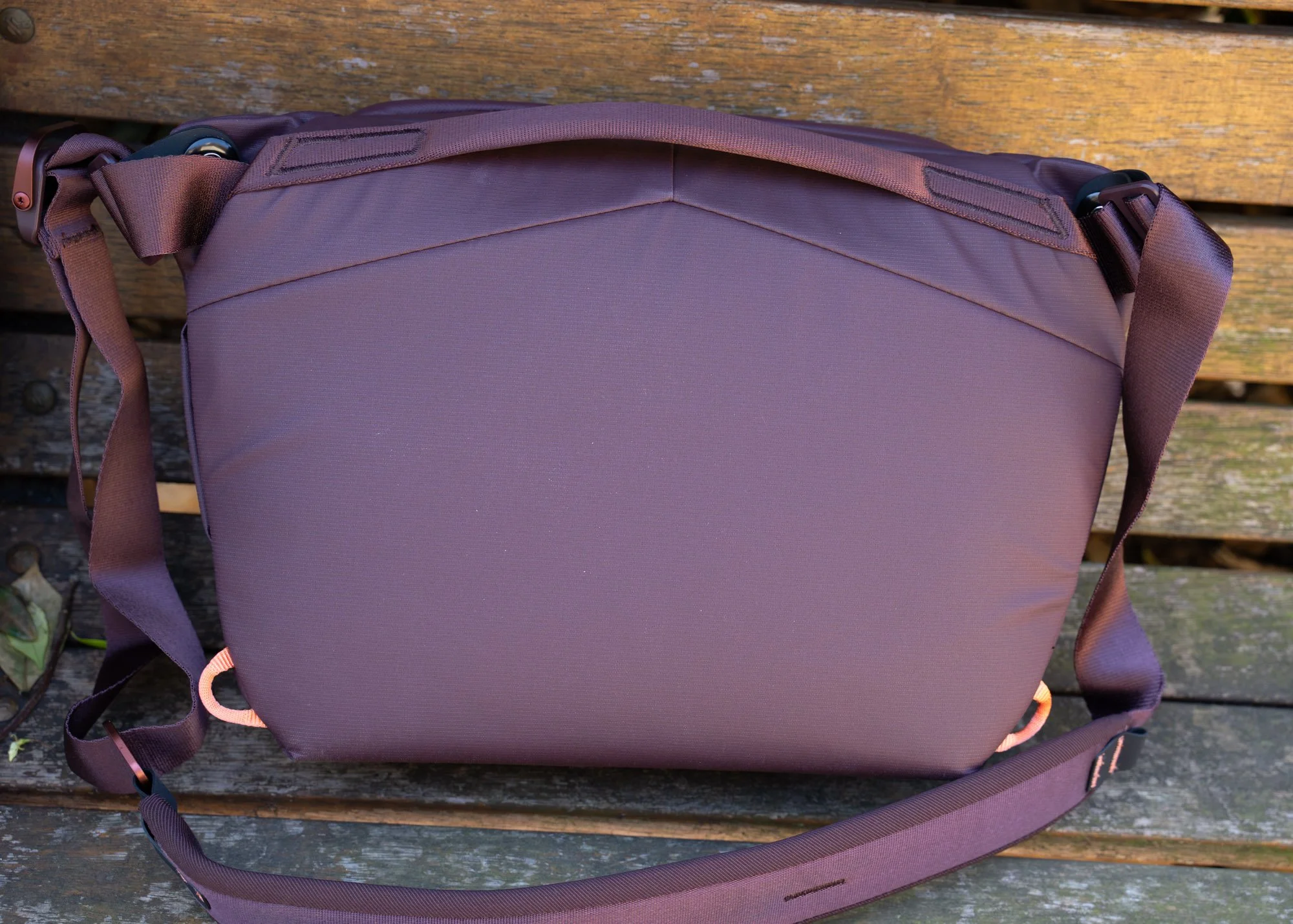
There’s a familiar trap when packing a camera bag. One lens becomes three, a few accessories sneak in, and suddenly a casual photo walk requires luggage.
The Peak Design Everyday Sling 6L makes a case for being more selective. Sitting between the 3L and 10L models (also available), it offers a compact option for photographers who want their camera close without taking a larger bag. At the time of writing, the black 6L is listed at A$249.95 on Peak Design’s Australian website. That puts it firmly in needs to be considered-purchase territory.
Space for a smaller kit
Six litres encourages you to think about what you actually need for the outing.
A camera with an attached lens and a carefully chosen extra lens is a sensible starting point, although the combination matters far more than the number of items. A compact prime and a large zoom make very different demands on a bag.
For a street photography wander, garden visit or afternoon spent looking for interesting light, that smaller approach makes sense. Choose your kit around what you want to photograph, then give yourself permission to leave the rest at home.
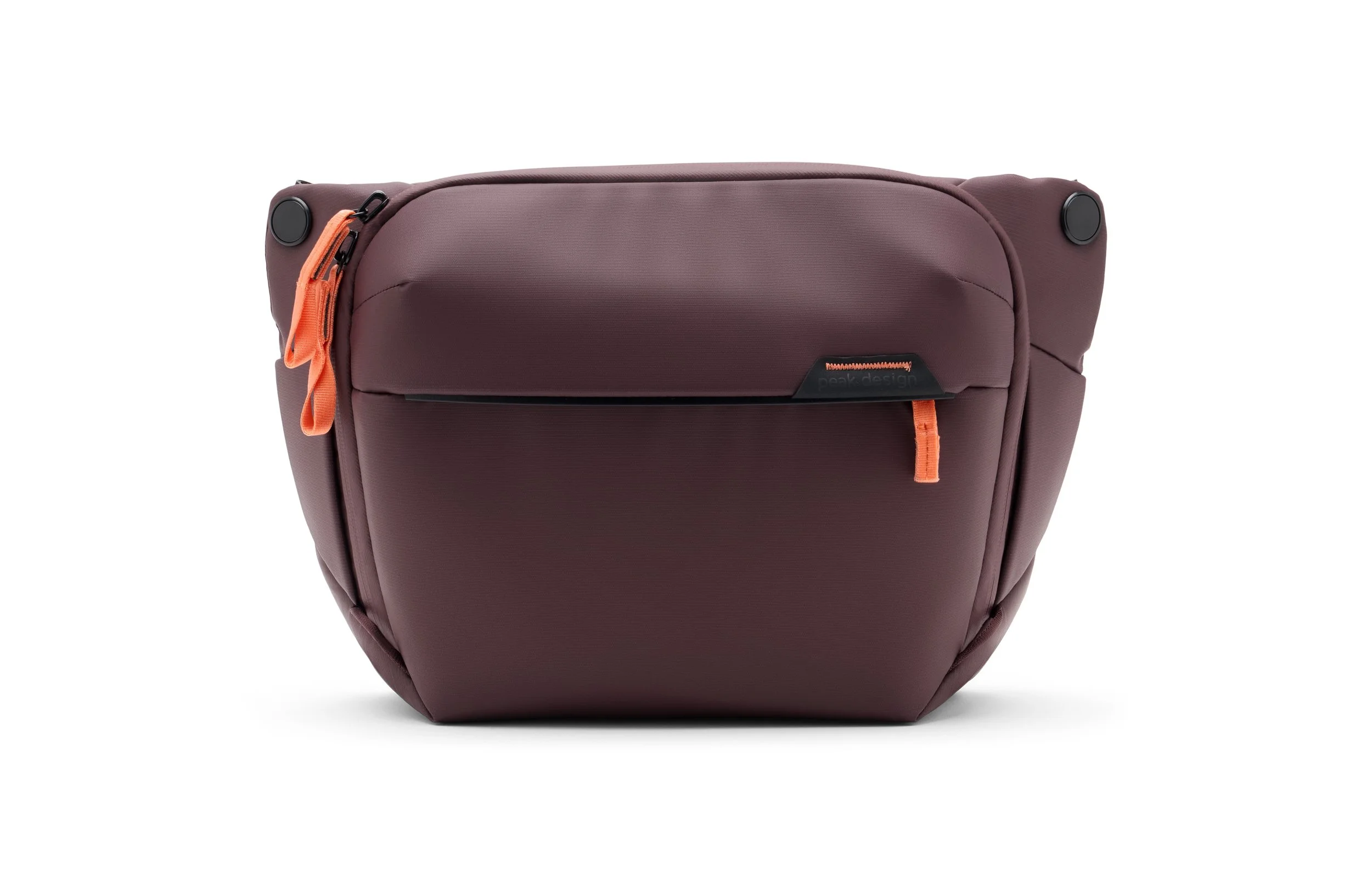
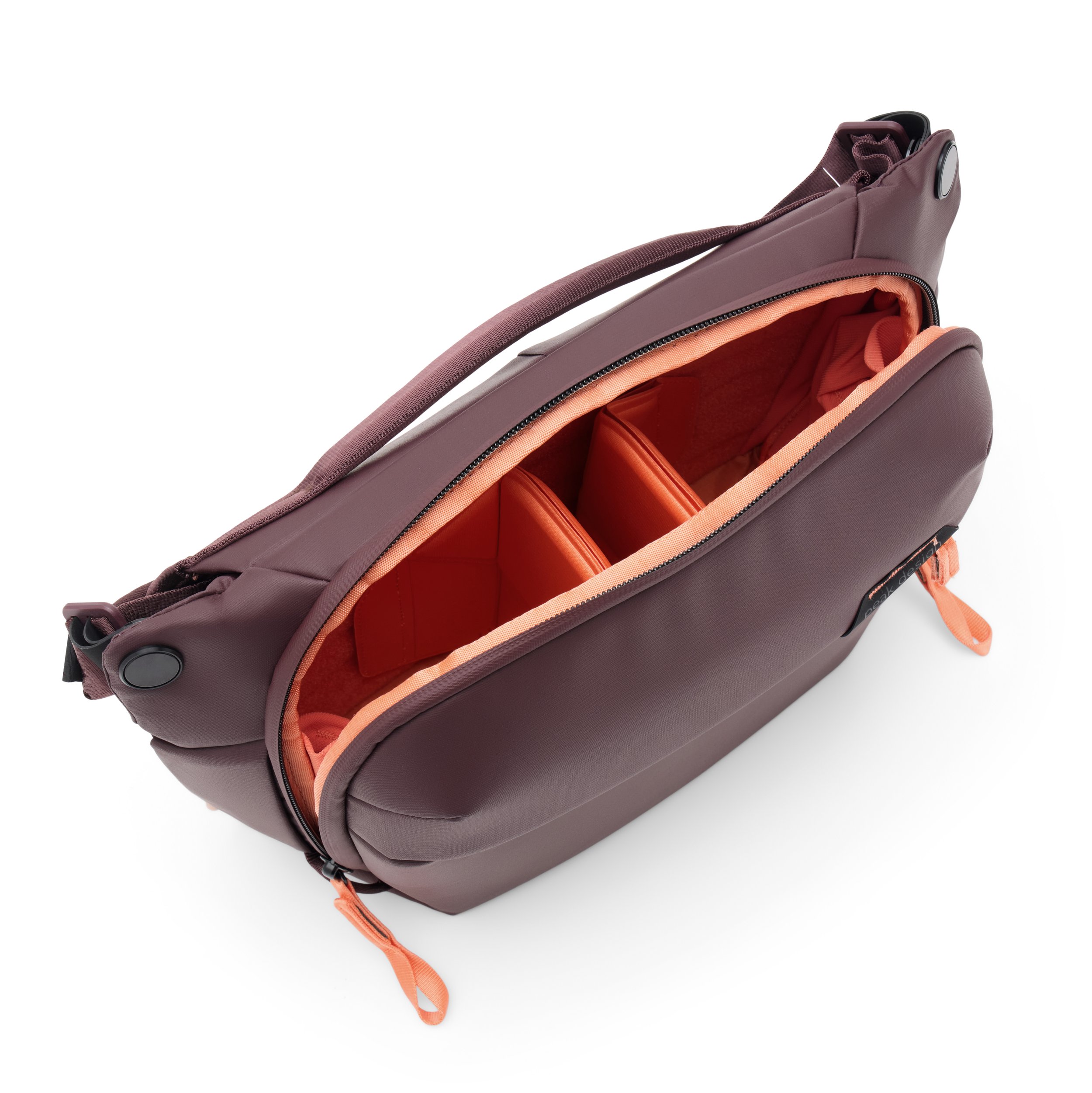
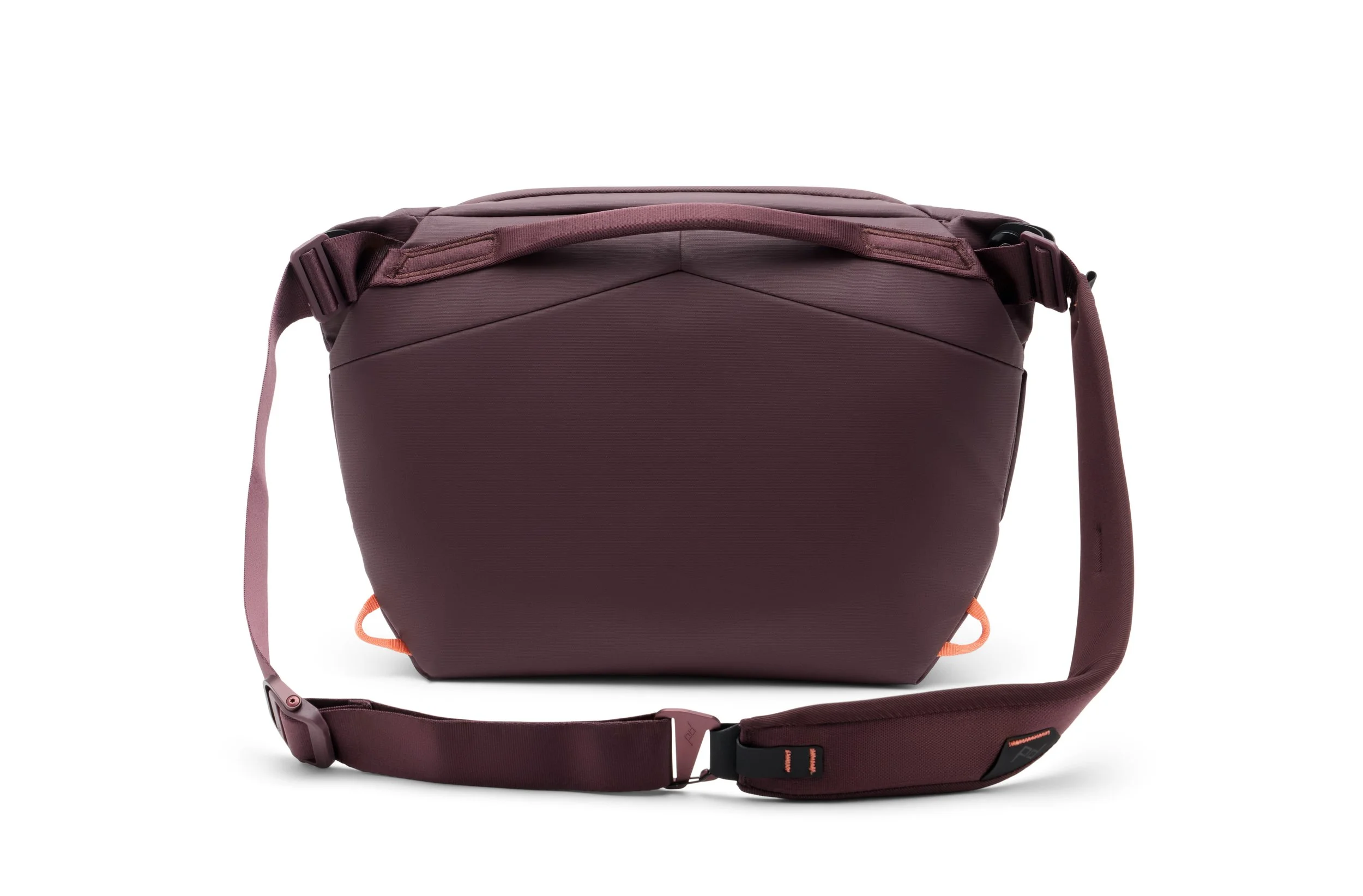
Images courtesy of Peak Design
Flexible organisation
The two included FlexFold dividers are a useful part of the design. They let you arrange the interior around your equipment, including creating shelves for smaller items. Internal pockets provide places for accessories, while the dedicated tablet sleeve accommodates compatible tablets up to 11 inches. Check your tablet’s measurements, particularly if you use a bulky case.
The appeal here is flexibility. A bag that suits a small camera and two compact lenses should also be adaptable when the next outing calls for a different combination.
There is a limit, though. Clever organisation helps you use the available space; it cannot create more of it. If every compartment is packed tightly, accessing your camera becomes a puzzle. Usually at the exact moment something interesting happens.
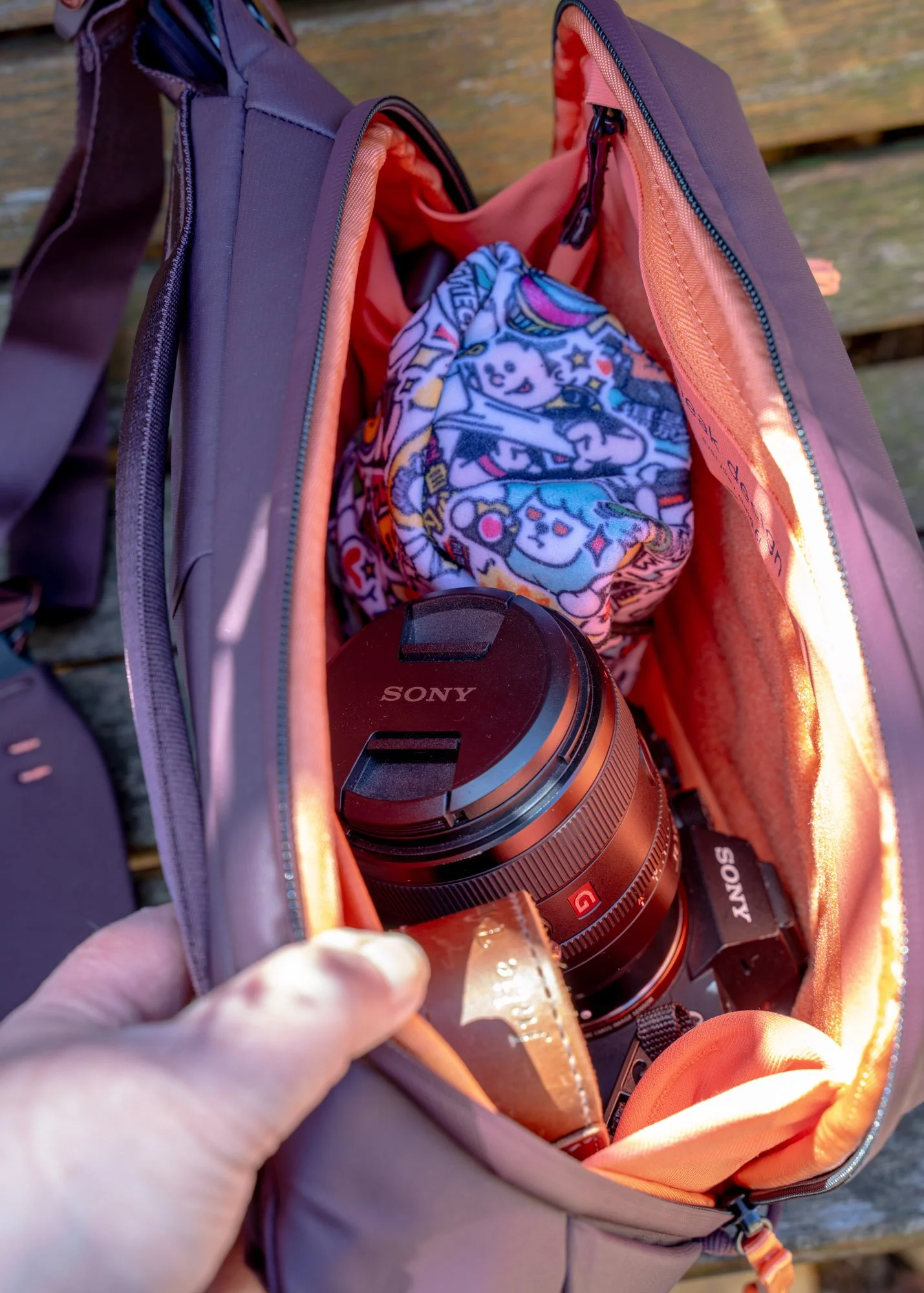
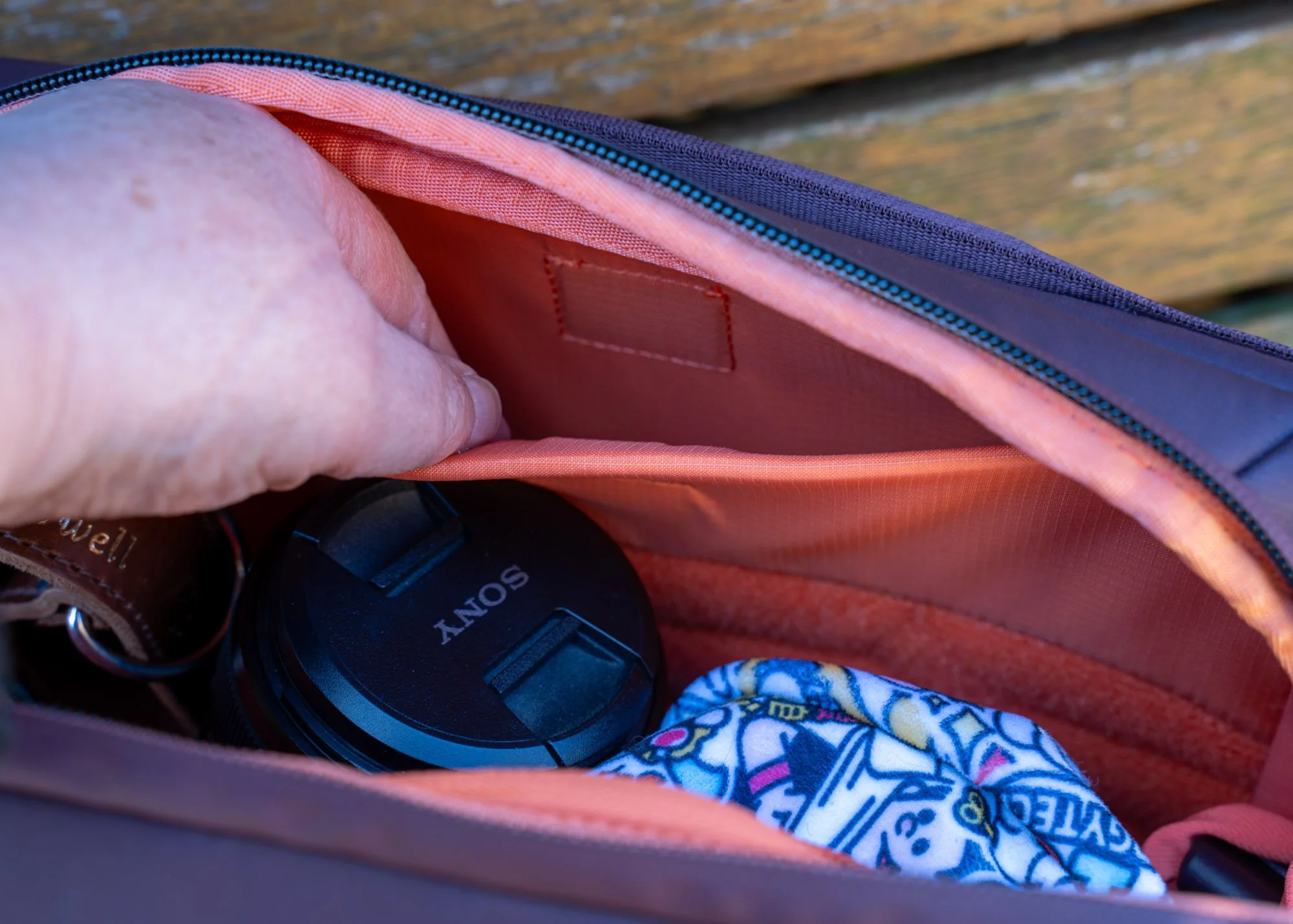
Sony A7RV and Sony 50mm lens plus Tamron 28-75mm lens
Access while you’re out shooting
The padded strap has a one-handed adjustment system, and the main compartment opens widely. Those features suit the basic purpose of a sling: keeping equipment accessible as you move between locations.
That is an appealing arrangement for photographers who stop frequently to shoot. However, strap padding and adjustability alone cannot establish how comfortable a bag will feel after several hours. Your gear weight, body shape and preferred carrying position all matter. Trying it on with your own equipment would be worthwhile.
Practical protection, with sensible limits
The Everyday Sling combines a weather-resistant shell with a weatherproof zip. These are useful features for everyday outings, but I would still plan additional protection for sustained heavy rain. Weather resistance should never become an invitation to test how much water your camera can tolerate.
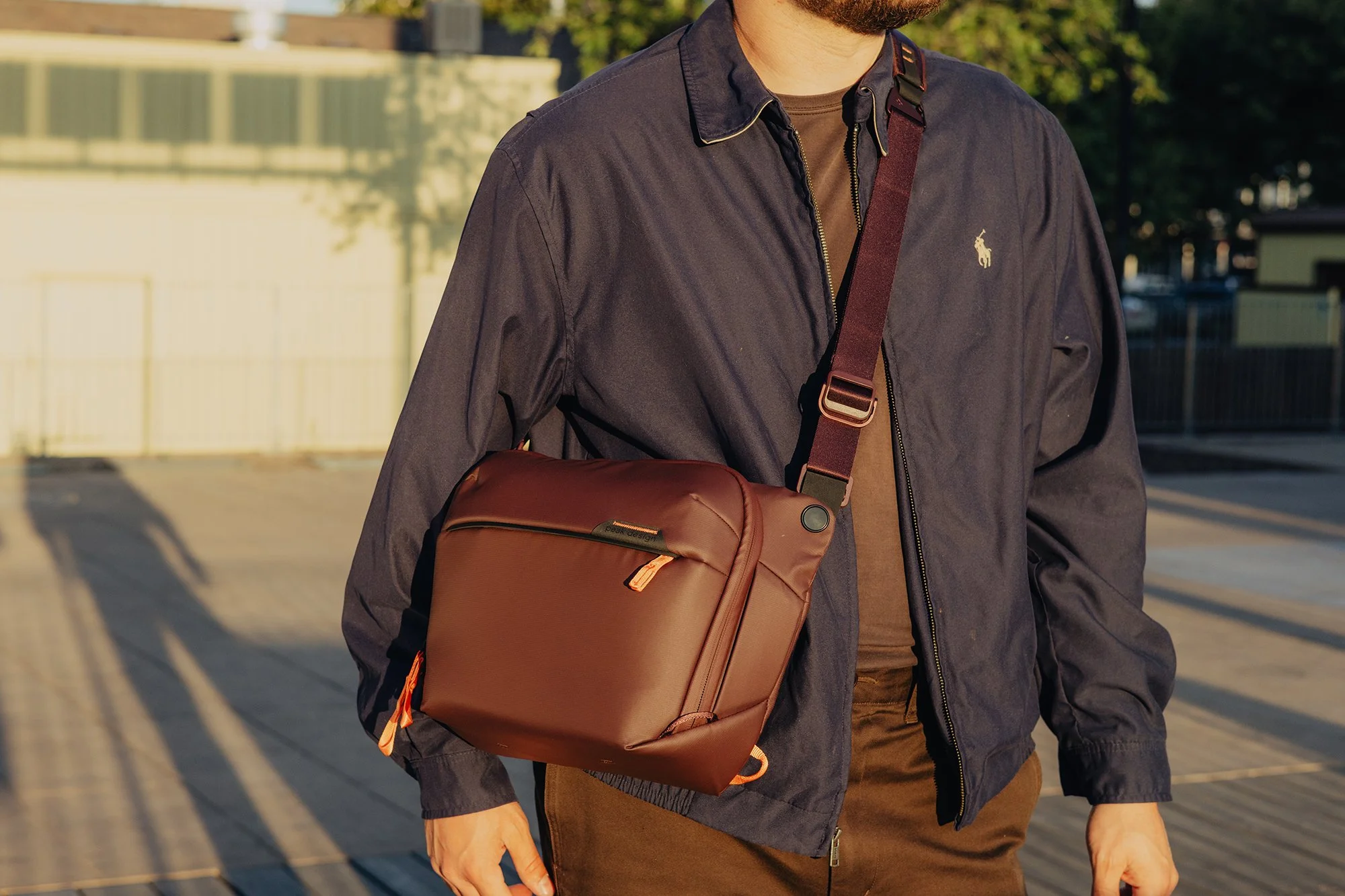
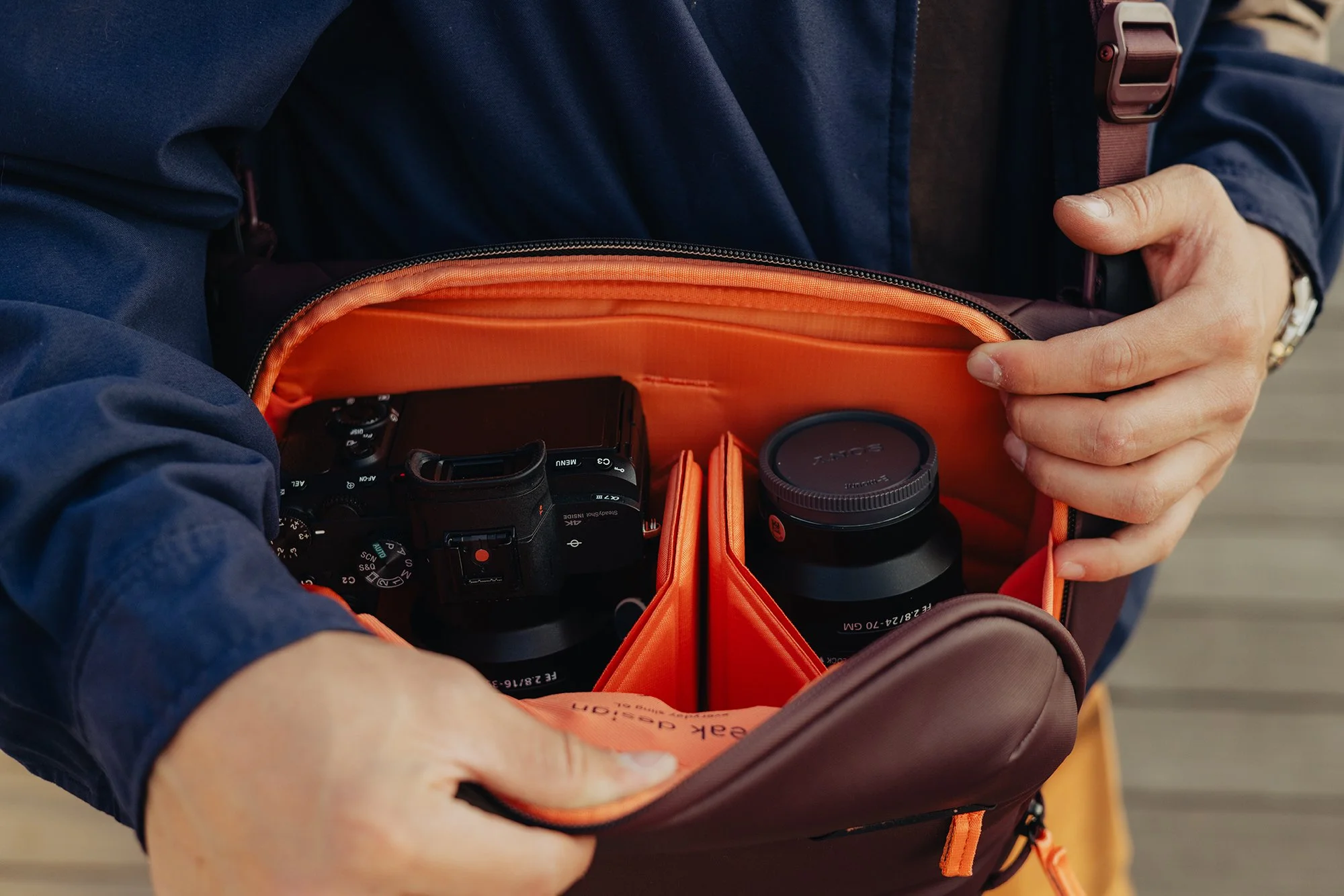
Images courtesy of Peak Design
Where the 6L makes less sense
The biggest potential drawback is choosing this size for the wrong job.
If your normal outing involves several large lenses, a substantial camera body and plenty of personal items, a larger bag is likely to be more practical. Equally, a sling places the load across one shoulder, so keeping the kit modest matters beyond simply getting the zip closed.
The price also deserves consideration. Its value depends on whether the organisation, access and compact format solve a problem you regularly encounter. An expensive bag that stays in the cupboard is still an expensive bag.
What I pack
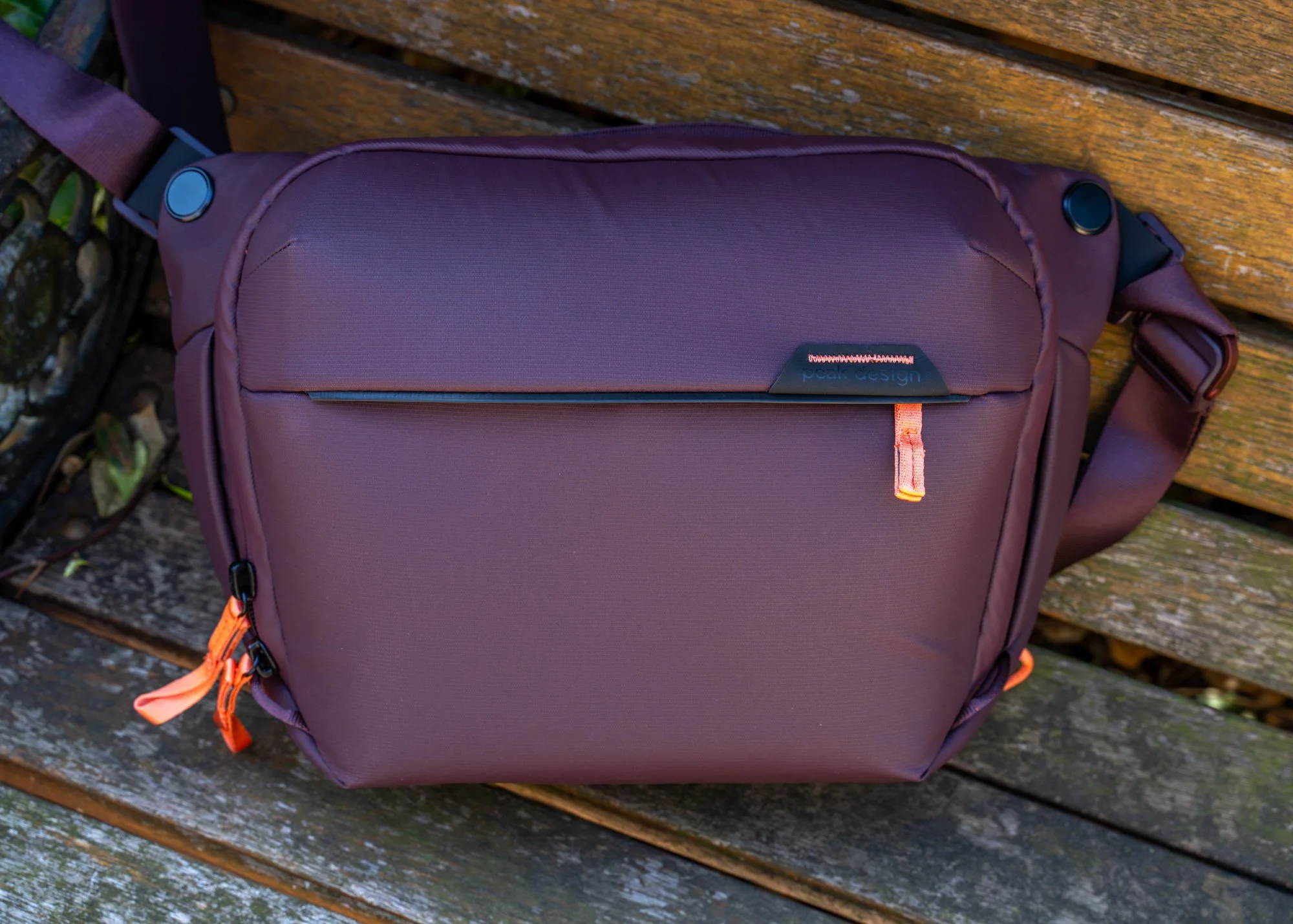
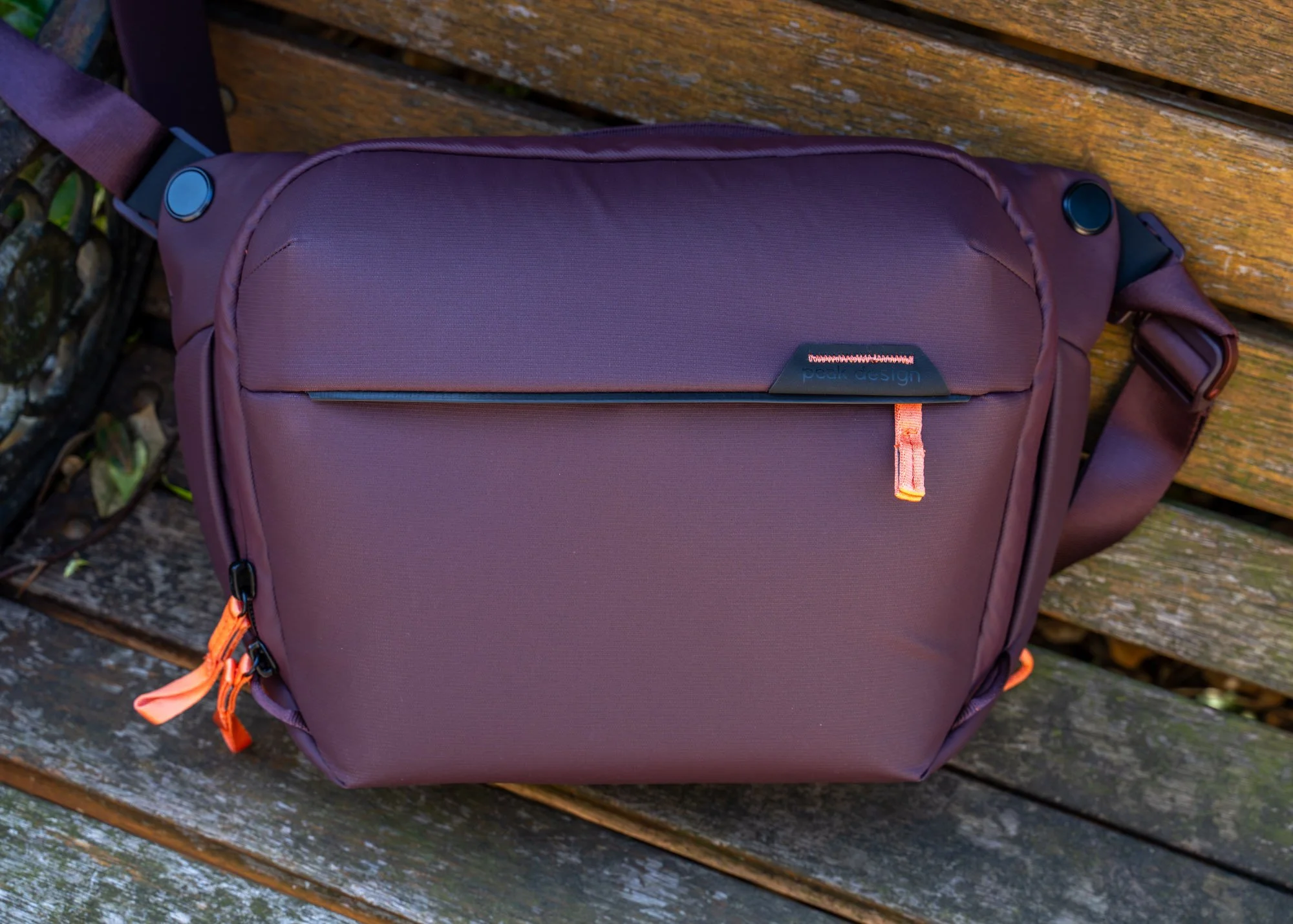
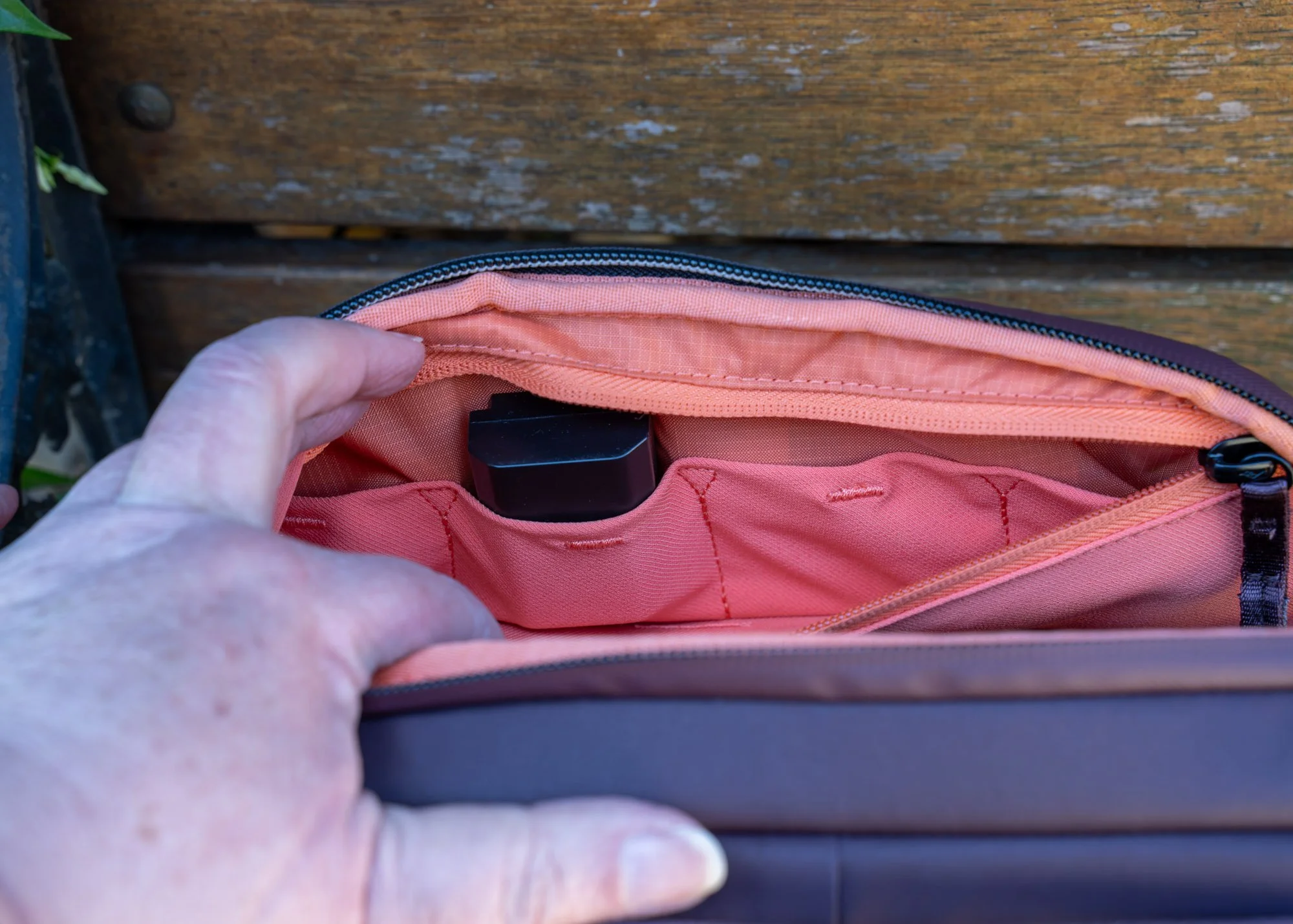
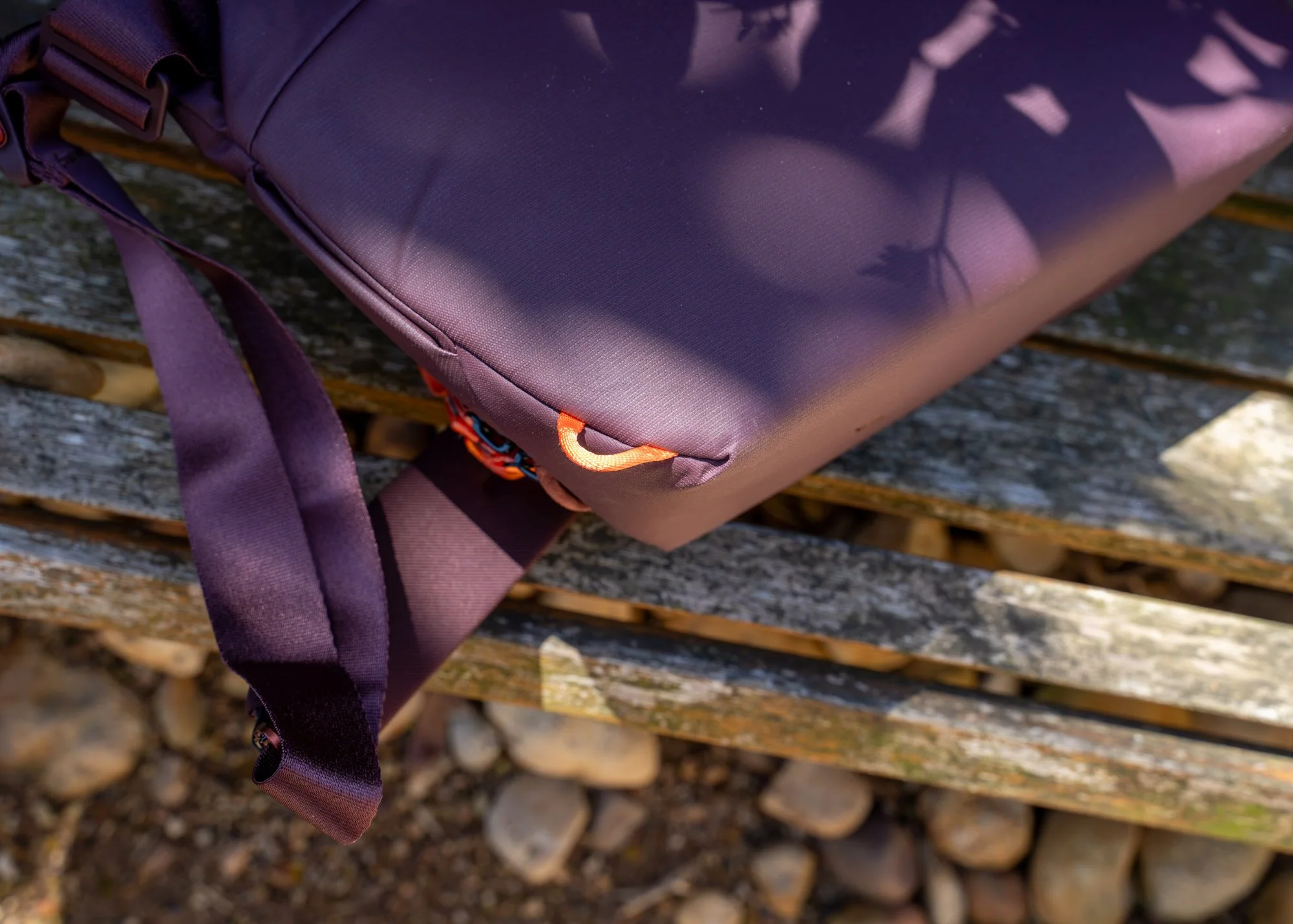
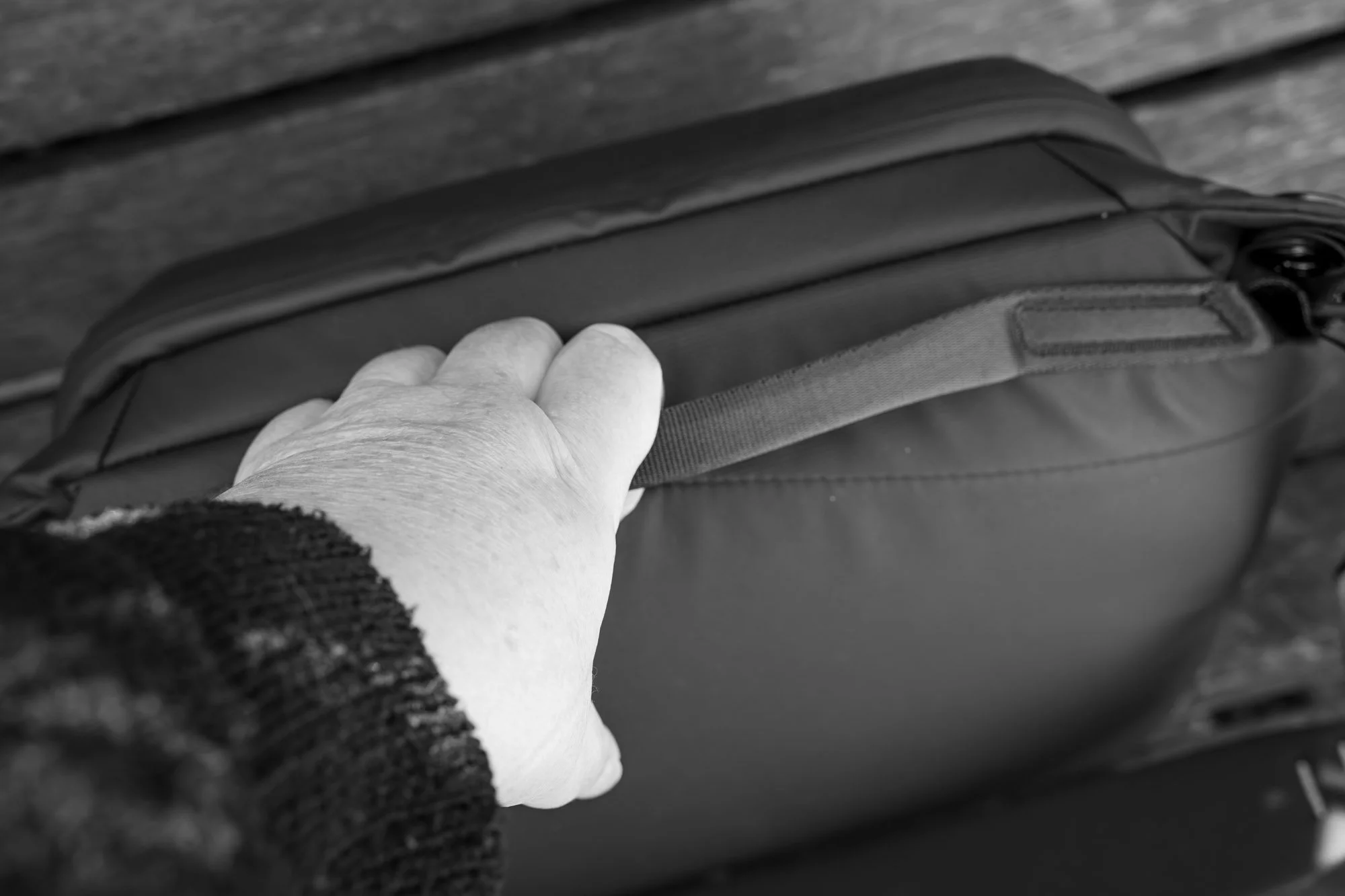
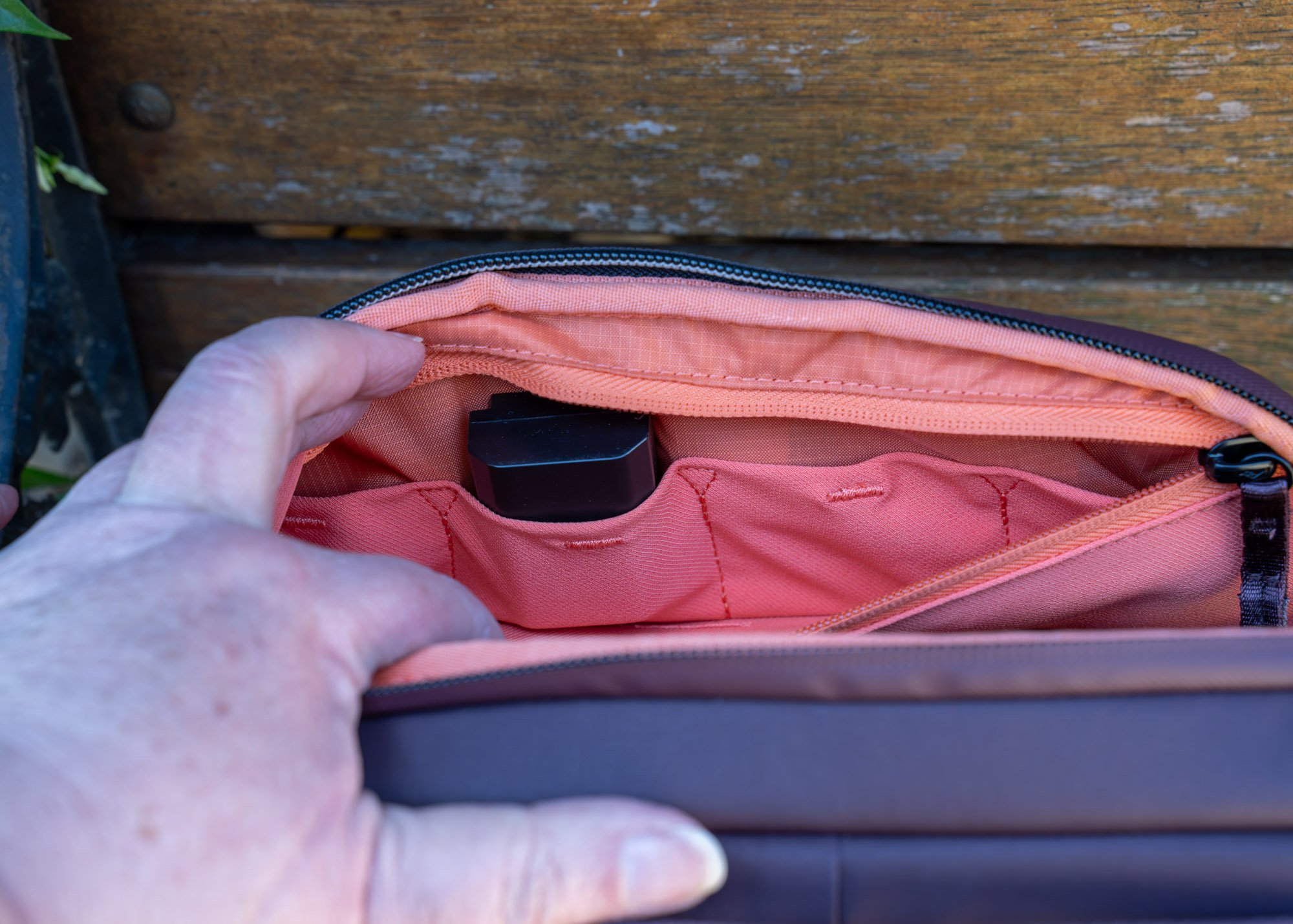
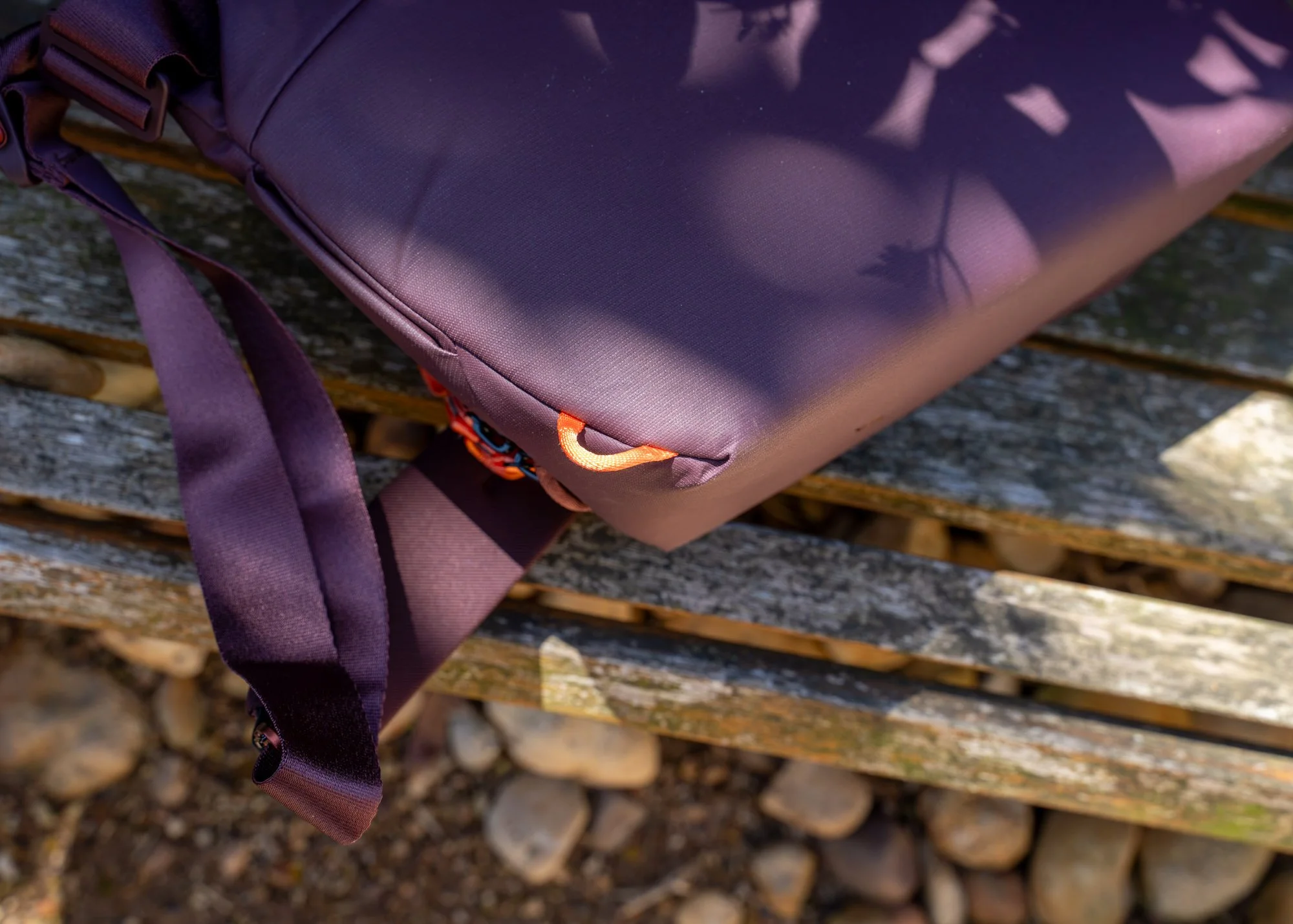
I have the 6l Sling in the colour ‘Eclipse”, which makes a nice choice from the standard black or blue. I can comfortably fit my Sony A7RV and my Sony 50mm GM F.14 prime, plus my Tamron 18-75mm lens. Due to the size of the Tamron lenses I could replace my 28-75mm with the 28-200mm or the 70-300mm lenses. (They are similar size. I don’t have a tablet in there, A/ it adds too much weight. B/ it stiffens the side of the bag up and makes it more difficult to get camera etc out. In the side pocket I pop in spare batteries, lens cloth and SD Cards. The zip keep it all secure. I also found that if I removed the internal dividers it makes a little more room and I use a protective wrap for my lens. There are loops on the bottom and it comes with another strap so you can attach smallish tripod to the bottom for travel.
The verdict
On paper, the Peak Design Everyday Sling 6L is a thoughtful option for photographers who enjoy working with a smaller kit. Its adjustable interior and accessible format make it worth considering for photo walks, short outings and travel days with selective gear.
The key is being honest about how you pack. If you can comfortably leave a few lenses behind, this size has a clear purpose. If you always carry “just one more”, you may find yourself negotiating with the zip.
For me, the strongest argument for a bag this size is the creative possibility: fewer equipment decisions, a manageable kit and more attention available for the photograph. Try heading out with just one or two lens choices and see what you can discover.