One Light Is Often All You Need
When photographers start learning lighting, there's a temptation to think more lights must mean better photographs.
One light is beginner stuff.
Two lights must be better.
Three lights? Now we're getting serious.
Four lights and surely someone should be giving us an award.
Except lighting doesn't really work like that.
One of the things I talked about during the first Picture It Differently LIVE was something I tell photographers in my workshops all the time:
Before you add another light, ask yourself what problem you're trying to solve.
Start with one light
If you're learning portrait lighting, one light is actually one of the best places to start.
Why?
Because you can see what it's doing.
Put your light in front of your subject.
Take a photograph.
Move it to the side.
Take another.
Raise it.
Lower it.
Move it closer.
Move it further away.
Don't change five things at once.
Move one thing and look at what changed.
Pay attention to the highlights.
Look at the shadows.
Look at the catchlights in the eyes.
Look at what happens to the background.
Look at how the shape of the face changes.
You're not memorising a lighting diagram.
You're learning to see light.
Move the light before changing everything else
Sometimes photographers get caught up in settings.
What power should my light be?
What aperture should I use?
What shutter speed?
What ISO?
Those things matter, of course, but they shouldn't stop you looking at the photograph in front of you.
If the light doesn't look right, sometimes the solution is incredibly simple.
Move it.
Twenty centimetres can make a difference.
Changing the height can completely alter the shadows on someone's face.
Bringing the light closer can change both its softness and how quickly the light falls away.
Moving it around the subject can take you from a fairly bright portrait to something beautifully dramatic.
Same subject.
Same light.
Completely different photograph.
Shadows aren't the enemy
We're often taught to “fix” shadows.
But shadows create shape.
They create depth.
They create mood.
They can make an image mysterious, dramatic, soft or cinematic.
Instead of automatically asking:
“How do I get rid of that shadow?”
Try asking:
“What is that shadow doing for my photograph?”
Maybe it needs filling.
Maybe it needs softening.
Or maybe it's exactly what makes the photograph interesting.
Hard light isn't bad light either
The same applies to hard and soft light.
Soft light can be beautiful and flattering, which is why we use it so often.
But hard light can give you crisp shadows, texture, contrast and drama.
Neither is inherently better.
The question is:
What does this photograph need?
That's the question I want photographers to start asking more often.
Not:
What lighting setup am I supposed to use?
But:
What am I trying to create?
Then choose the light that helps you create it.
Learn the light you already have
Before convincing yourself that you need another flash, another LED or another enormous softbox that you'll somehow need to find room for, spend some time experimenting with what you already own.
Give yourself a challenge.
One subject.
One light.
And create five completely different photographs.
Change the direction.
Change the distance.
Change the height.
Change the modifier.
Change the relationship between your subject and the background.
Don't add another light unless you can explain exactly why you need it.
You might be surprised by how much you can create with very little equipment.
And more importantly, you'll start understanding light rather than simply copying lighting setups.
That's when things get interesting.
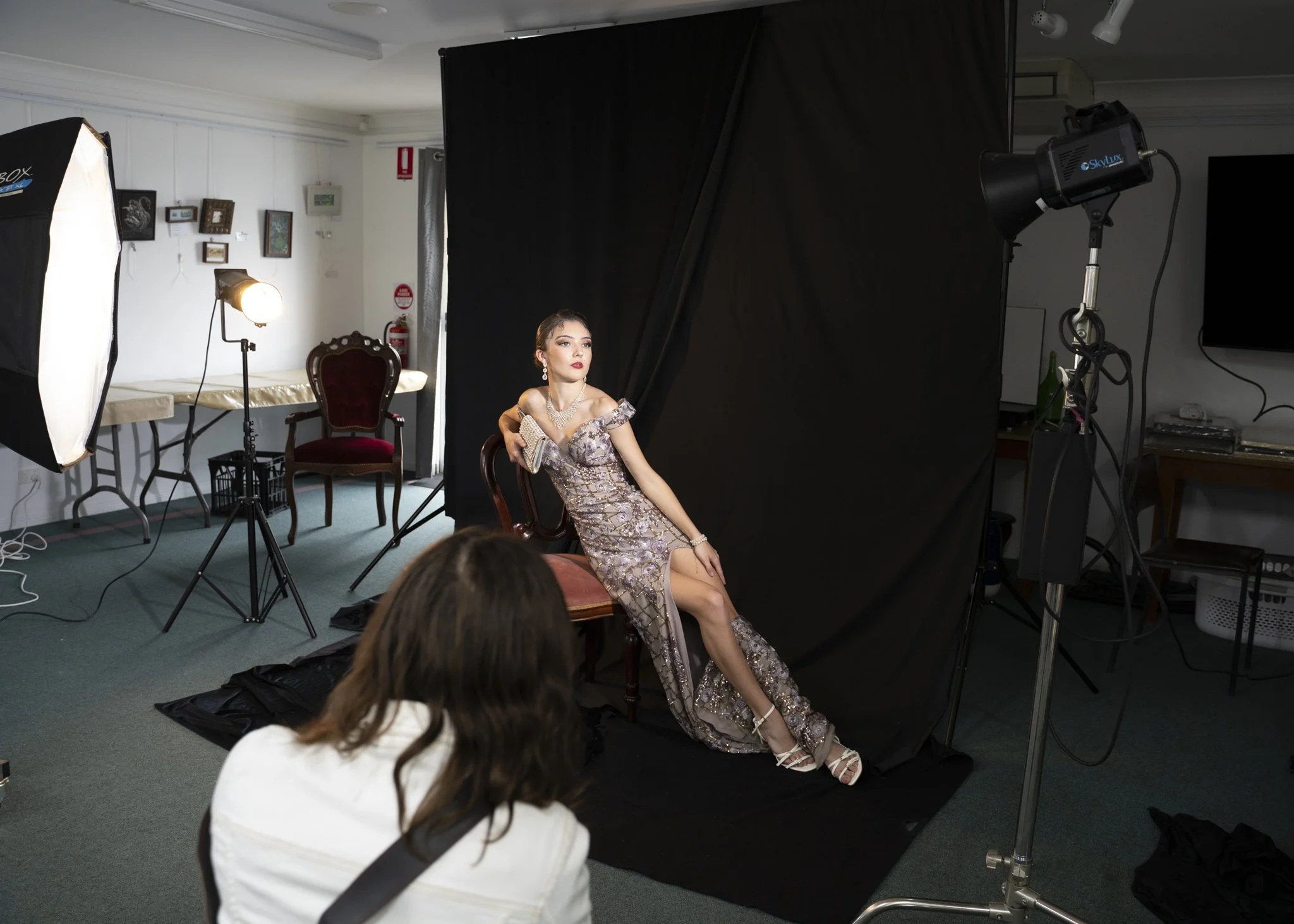
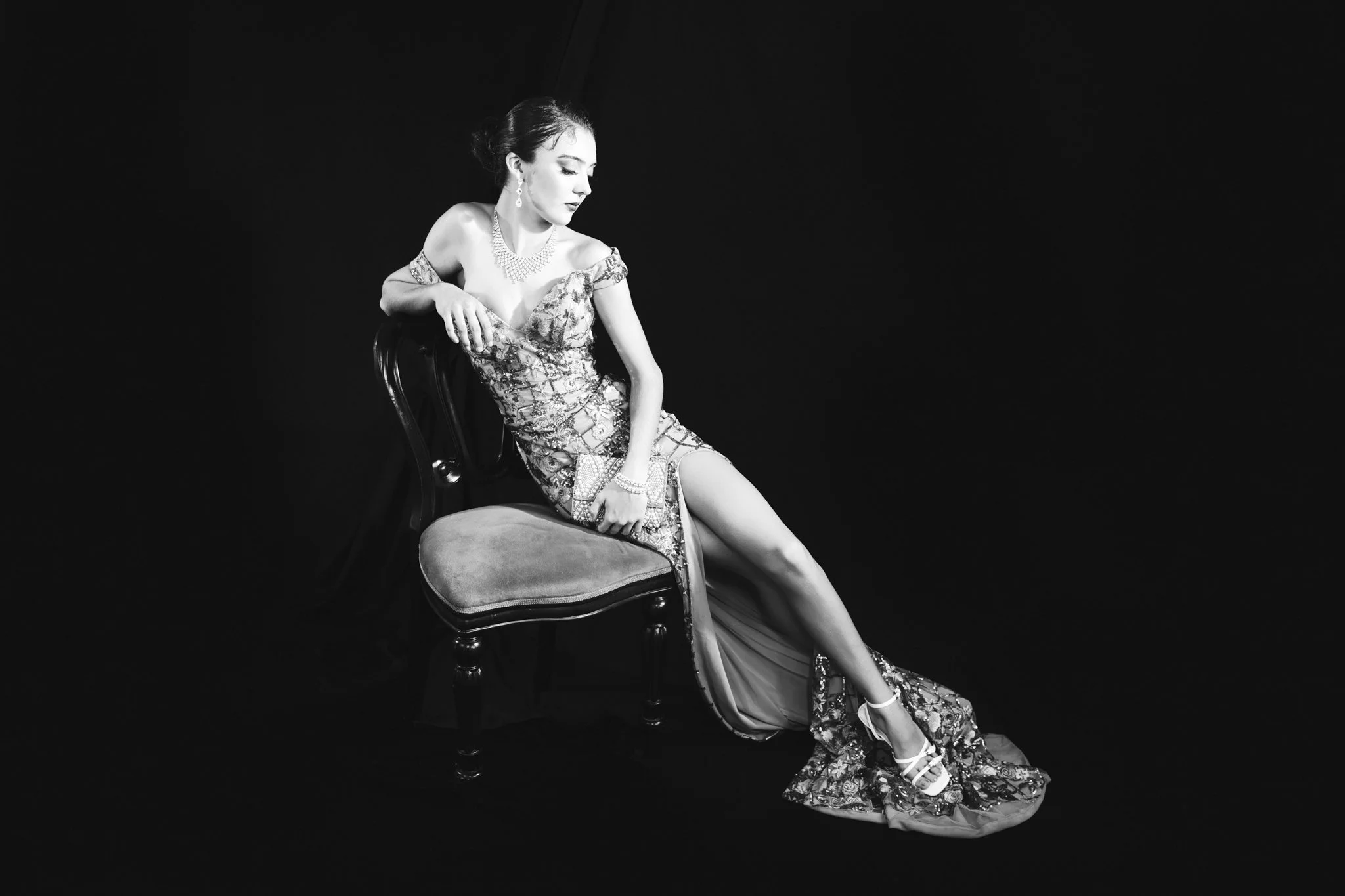
Standard film noir 3 light setup, main light, fill light and rim light
Get creative. Shoot more. Picture it differently. You can watch the whole Episode here