Low Ambient Light, High Impact: On-Camera Portraits with the Neewer Z3
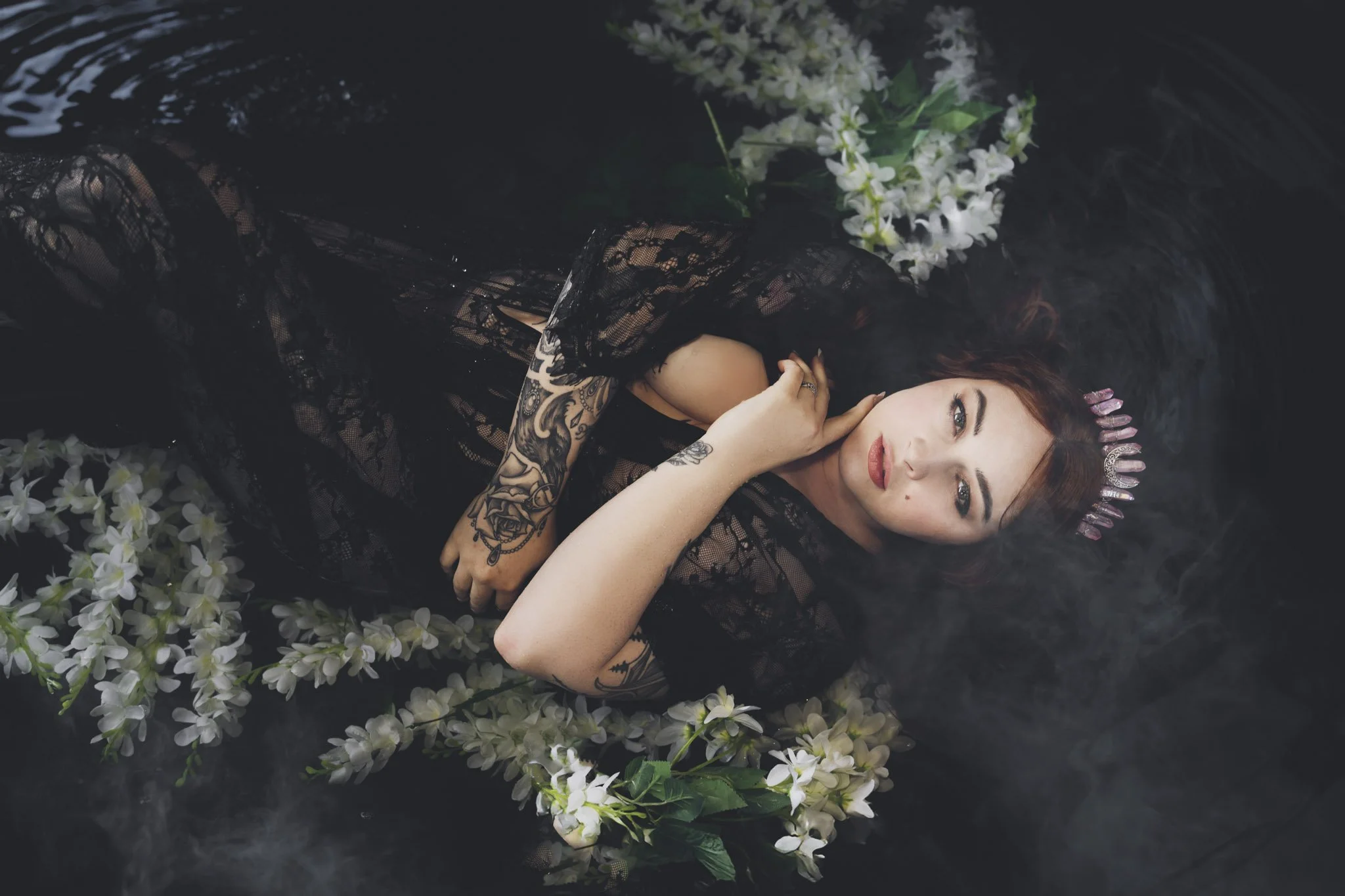
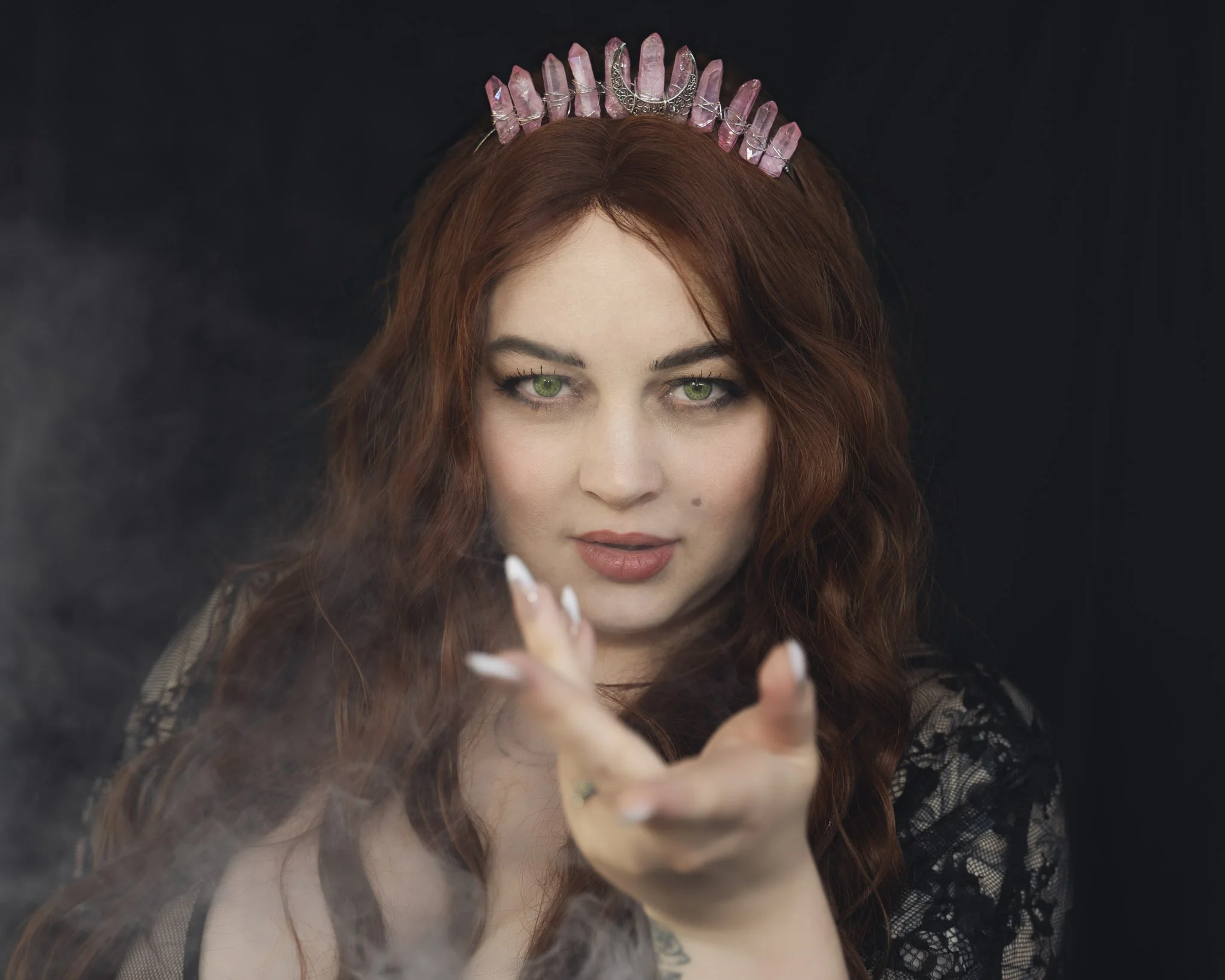
After putting the Neewer Z3 Flash through its paces technically, I wanted to see how it behaved in a more creative, less controlled scenario. This session was all about atmosphere. Low ambient light, dark backgrounds, smoke drifting through the frame, and a portrait that leaned firmly into moody, cinematic territory.
Importantly, this was shot on-camera, using TTL, with low ambient light to work with. No softboxes, no off-camera trickery. Just the Z3 doing its thing. I did use the diffusion dome supplied with the flash.
Why On-Camera Flash Worked Here
On-camera flash gets a bad rap, often deserved, but in low ambient conditions it can actually be a very effective tool if you let the flash do the heavy lifting and keep the environment dark. In this case, the room was intentionally underlit, which meant the flash became the dominant light source without fighting existing light.
TTL handled exposure remarkably well. Skin tones stayed consistent, highlights were controlled, and I wasn’t constantly chasing power adjustments between frames. That freed me up to focus on expression, gesture, and timing, which mattered far more in a shoot like this.
The Z3’s output was strong enough that I could stop down slightly for sharpness while still keeping ISO reasonable, and recycle times never slowed the rhythm of the session.
Light Quality & Mood
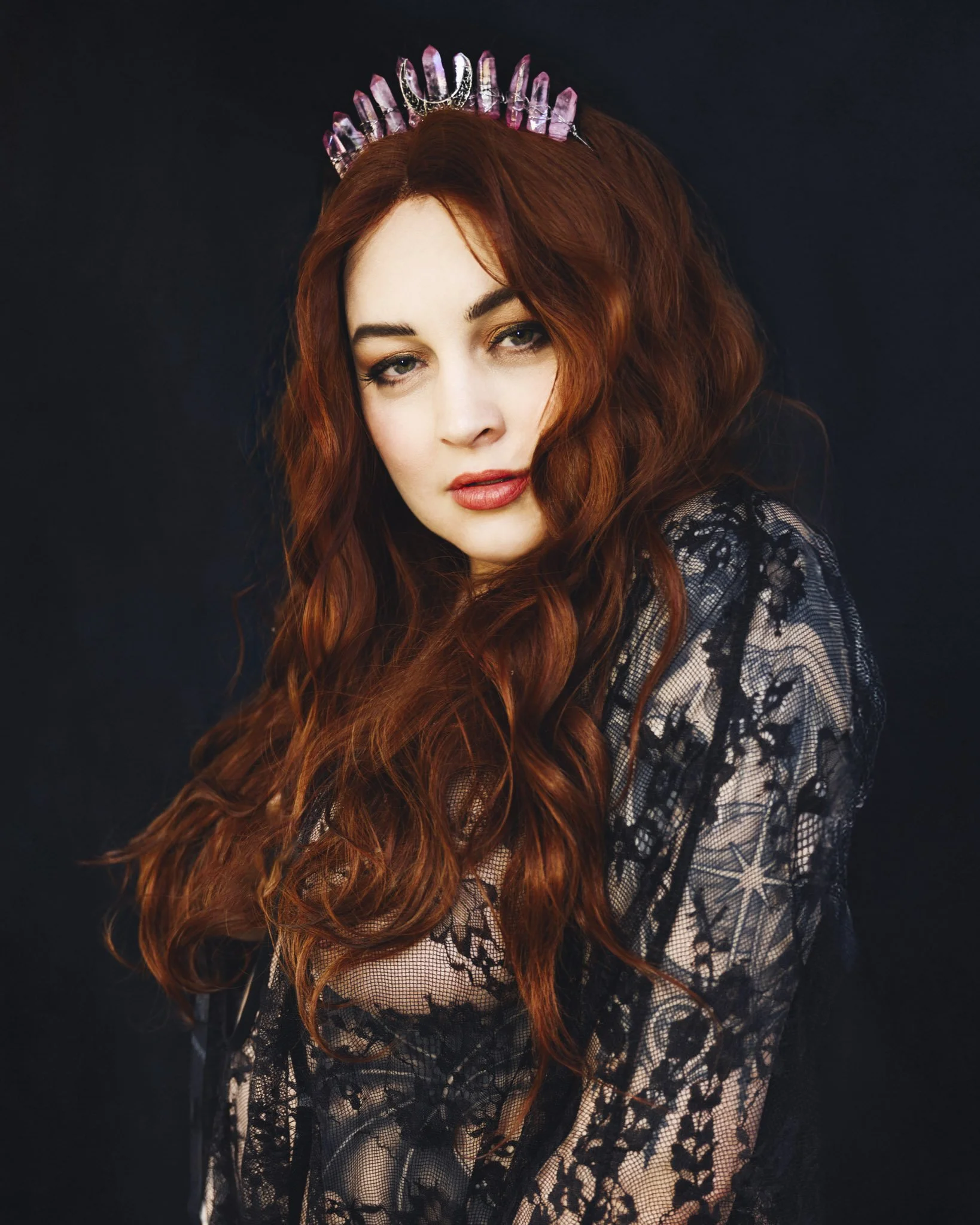
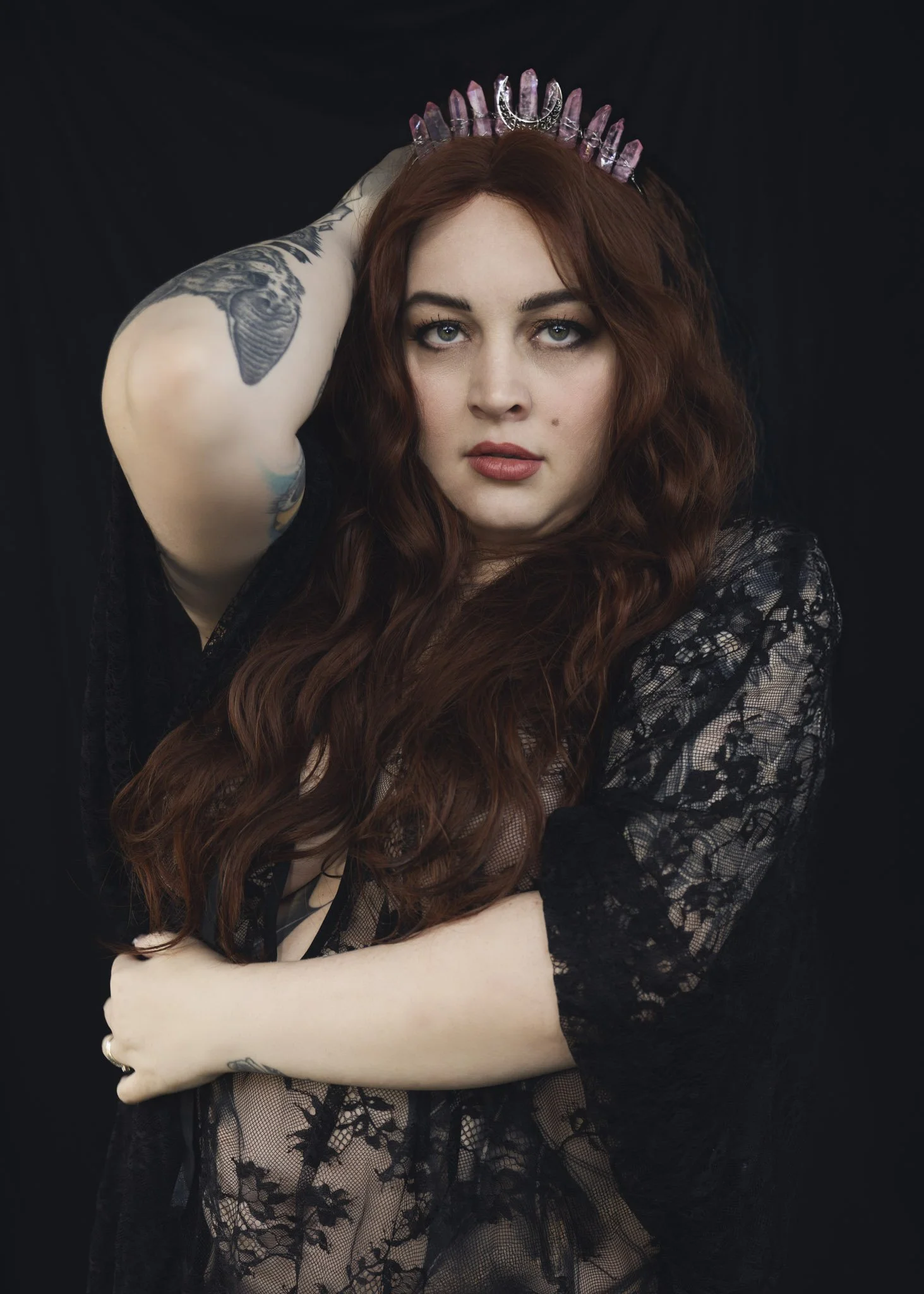
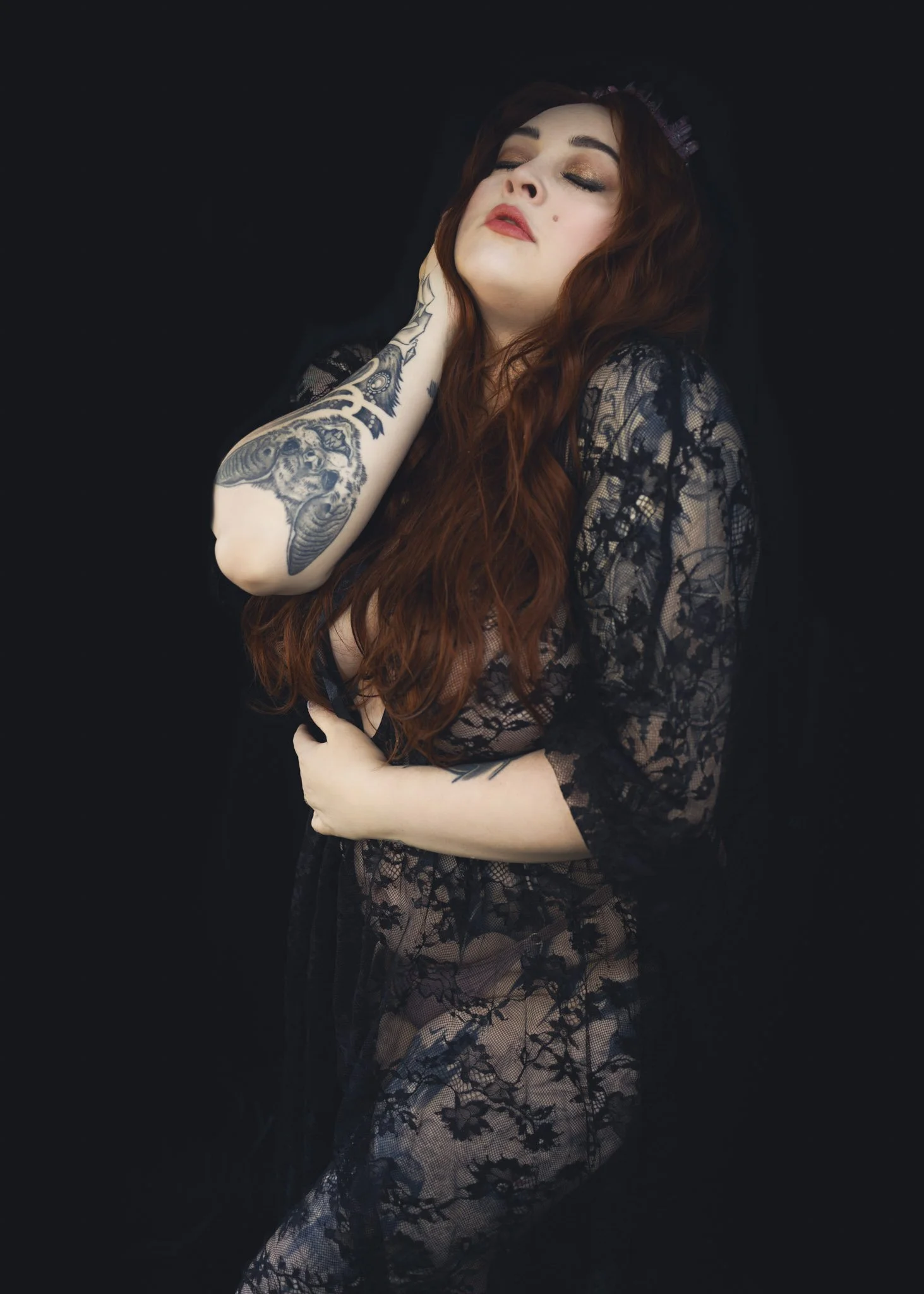
What stood out most was how clean and controlled the light felt straight out of the flash. Even without heavy modification, the Z3 delivered a crisp, punchy look that suited the dramatic styling. The shadows stayed deep, the background fell away nicely, and the subject popped without looking obviously “flashed.”
The dual modelling lamps were surprisingly helpful here. They’re not bright enough to light the scene, but they gave just enough preview to see catchlights and facial planes before committing to a frame. In a dark setup, that little bit of visual feedback goes a long way.
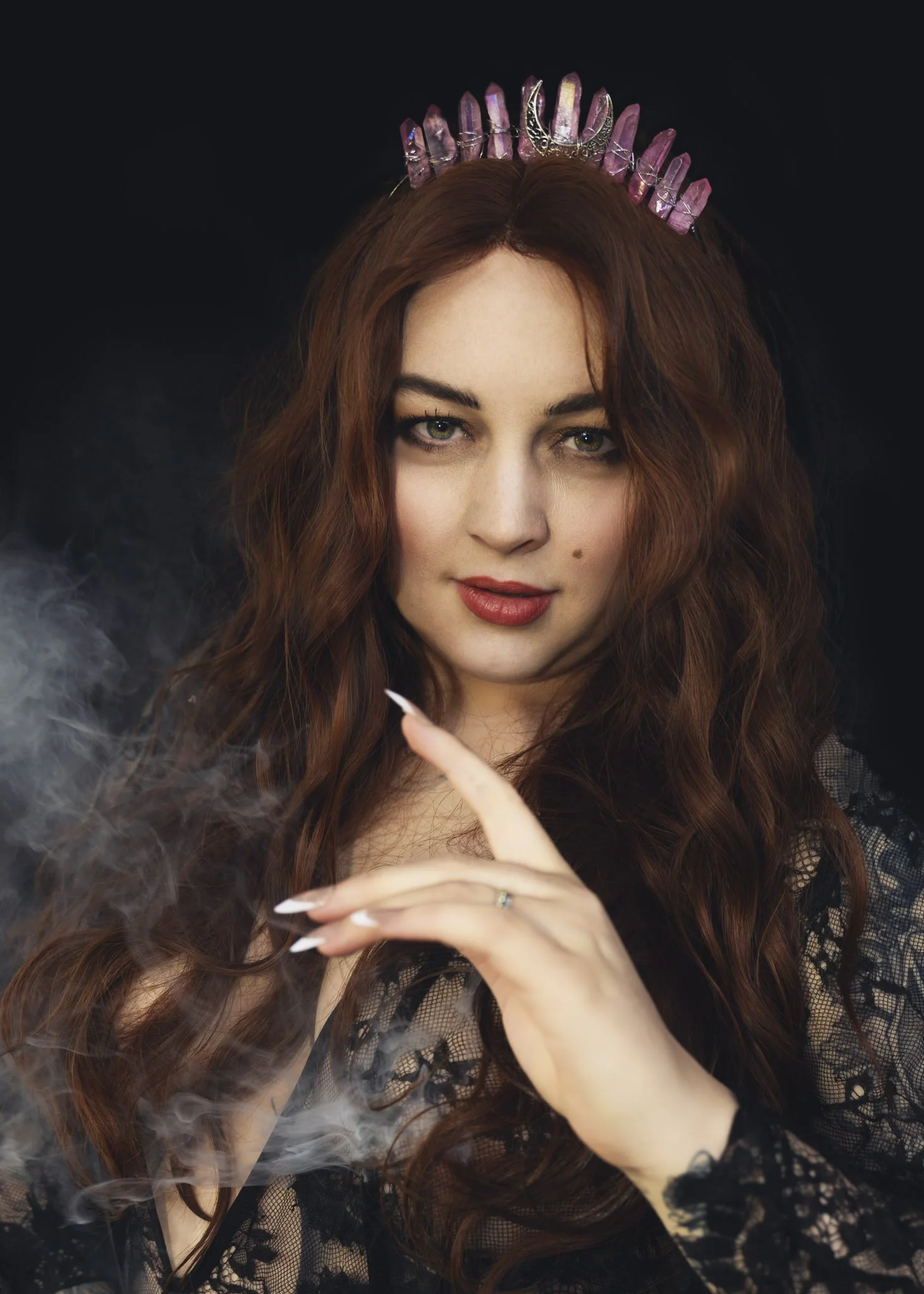
Smoke was introduced sparingly, and the flash cut through it cleanly, freezing movement and adding texture without flattening the image. This is where faster flash duration and reliable output really matter.
Handling & Practical Use
I’ll be honest, the weight is still noticeable on-camera. This isn’t a flash I’d want to carry for hours, but for a short, intentional portrait session it was manageable. The large touchscreen made quick tweaks easy, even in low light, and I never felt like I was fighting the interface.
TTL behaved predictably throughout the shoot, even as compositions changed from tight portraits to wider frames and different hand positions. That consistency is exactly what you want when working creatively and moving quickly.
Where the Z3 Shines On-Camera
This kind of session is a sweet spot for the Z3:
Low ambient light where flash becomes the key light
Dark, moody portraits where you want depth and drama
Shoots where you don’t want to slow down with manual power changes
Situations where you need reliable exposure frame to frame
It’s not pretending to be subtle or lightweight, but it is confident, powerful, and consistent.
Final Thoughts
Using the Z3 on-camera for this portrait session reinforced what I suspected from the start. This flash is at its best when you let it take control of the scene. In low ambient light, TTL does the heavy lifting beautifully, giving you consistent exposure and letting you focus on storytelling rather than settings.
Is it big? Yes. Is it heavy? Also yes. But when the results look like this, with rich tones, controlled highlights, and a strong cinematic feel straight out of camera, it earns its place.
This was one of those shoots where the gear quietly did its job and stayed out of the way, and honestly, that’s the highest compliment I can give it.
You can check out the full product review here. You can even check out the behind the scenes video of this Ophelia Shoot on YouTube