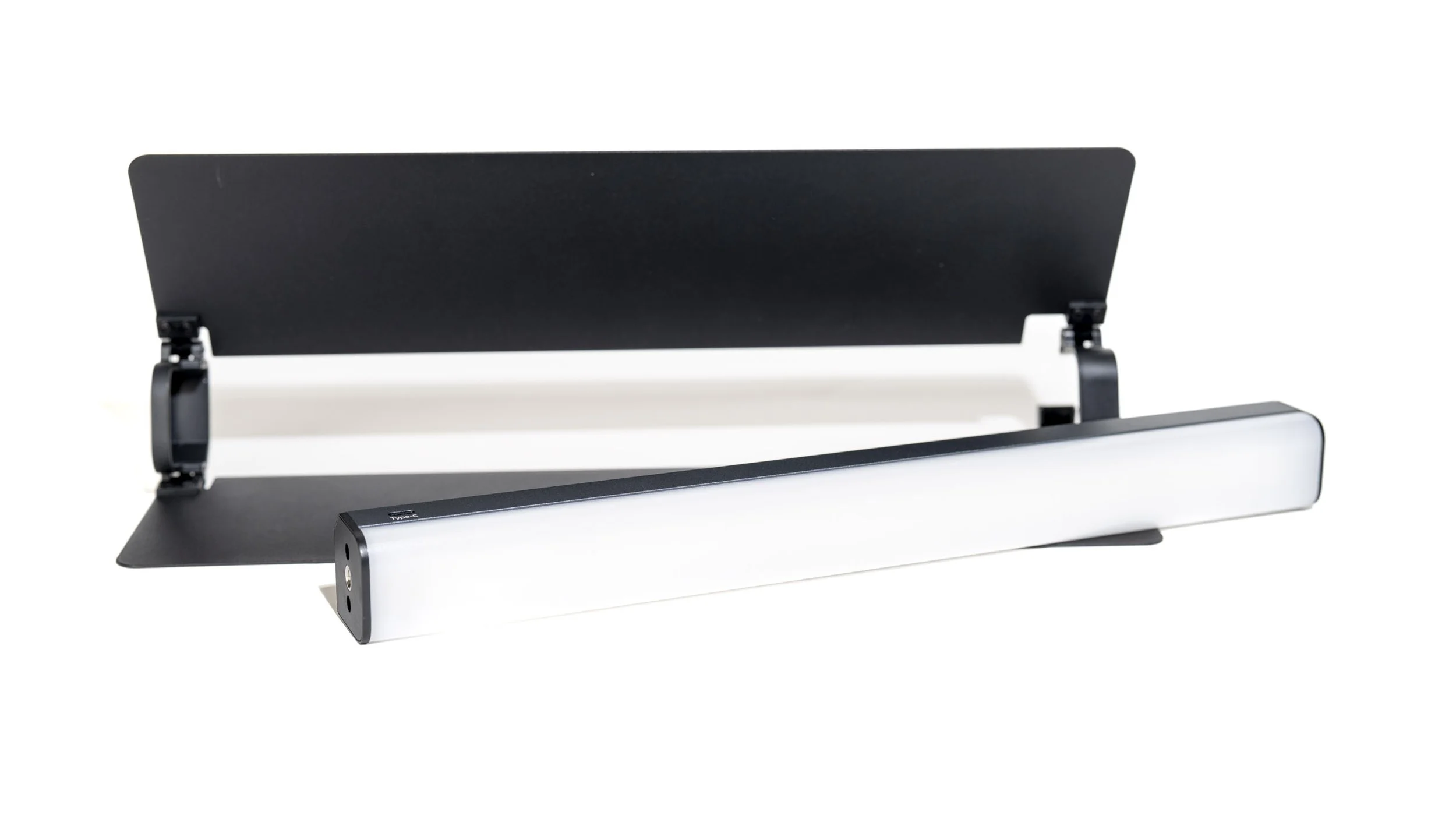
Neewer RGB1 vs RGB2 LED Light Wands Review
10W vs 20W – Which One Belongs in Your Photography Kit?
RGB light wands are one of those tools that can either elevate your work… or just turn everything into a glowing mess of colour if you don’t know how to use them.
I’ve been testing both the Neewer RGB1 and Neewer RGB2, and while they look similar, they serve very different purposes once you actually start shooting with them.
This isn’t about which one is “better.”
It’s about which one fits how you shoot.
Key Specs (The Stuff That Actually Matters)
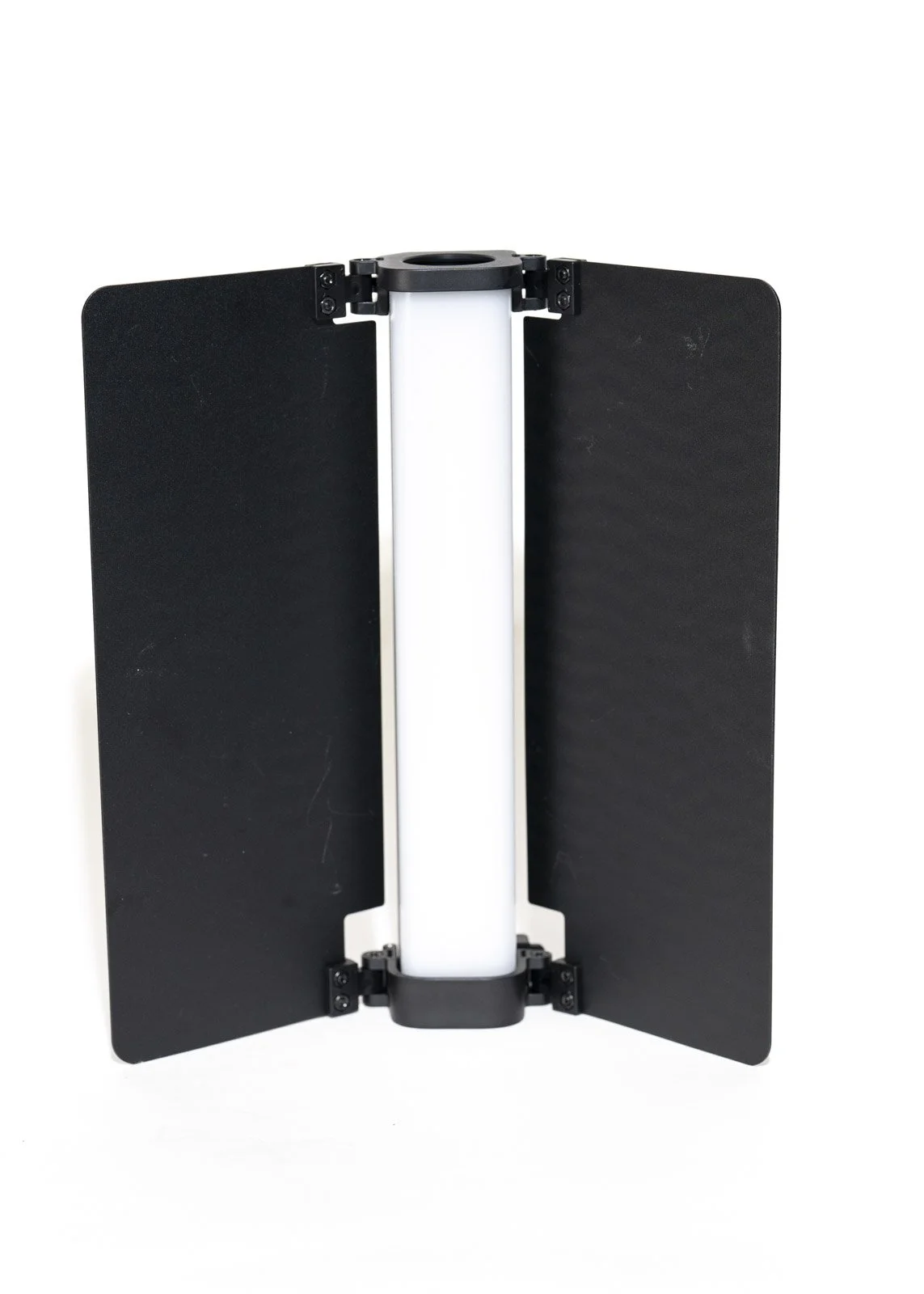
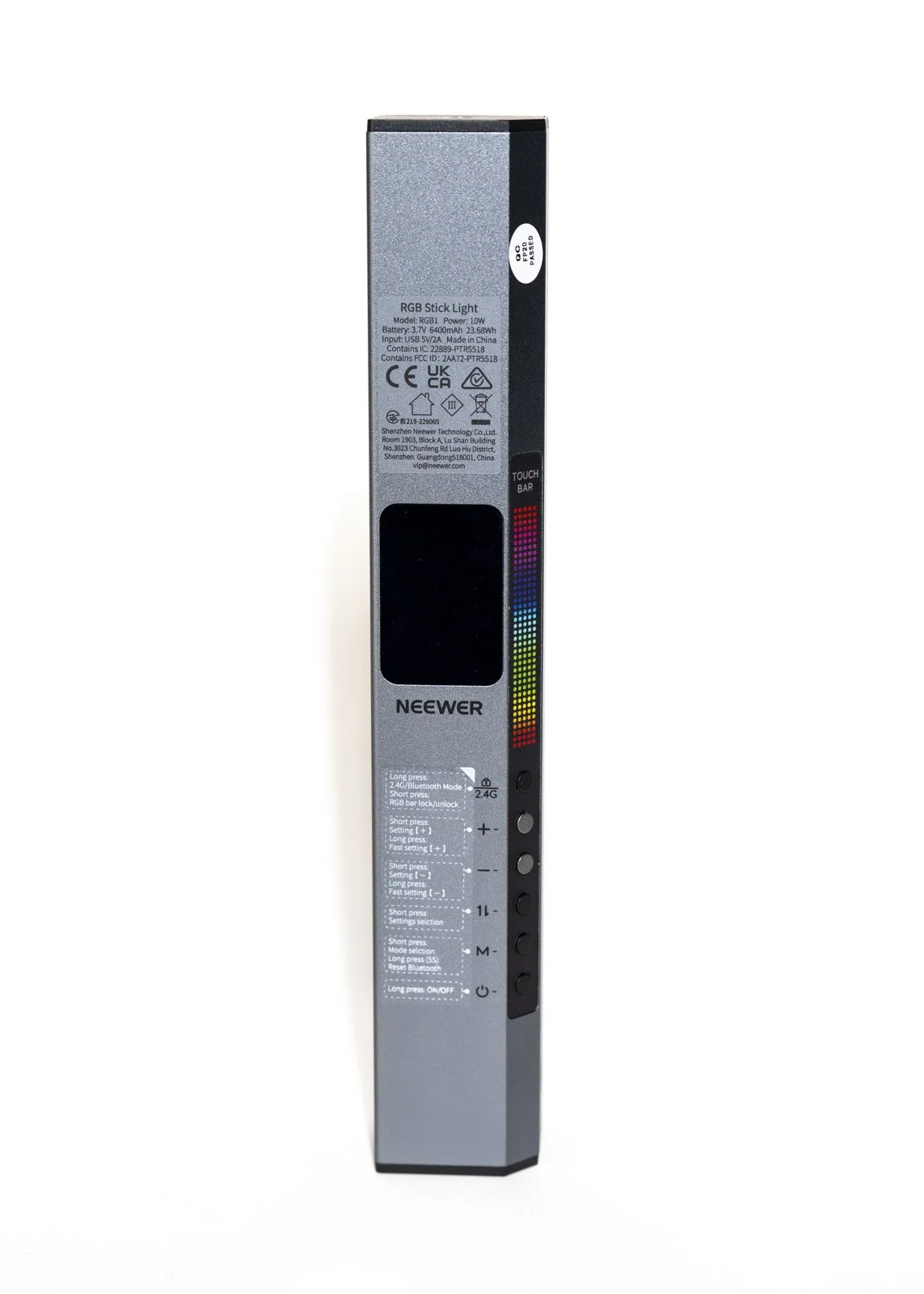
Neewer RBG1
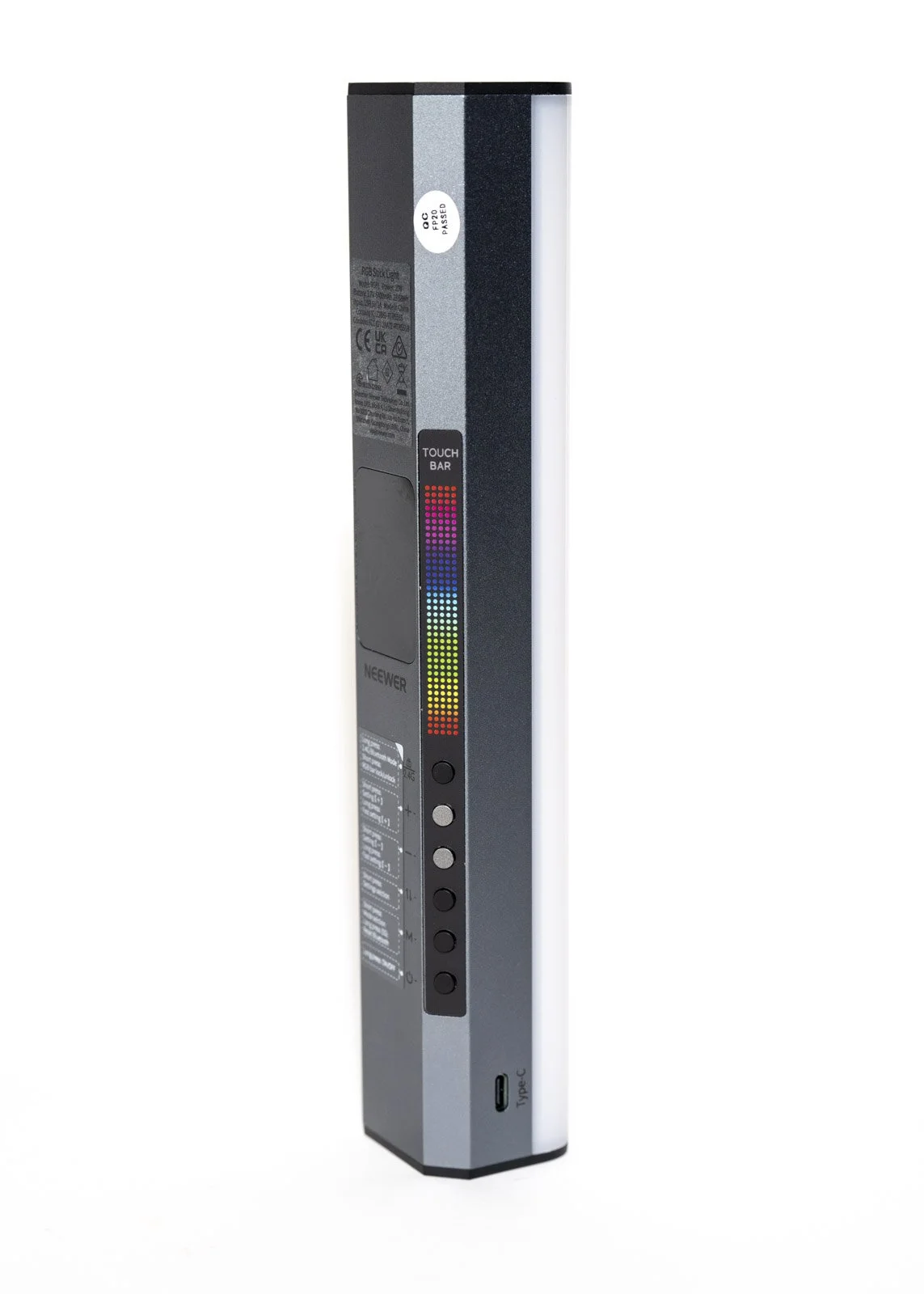
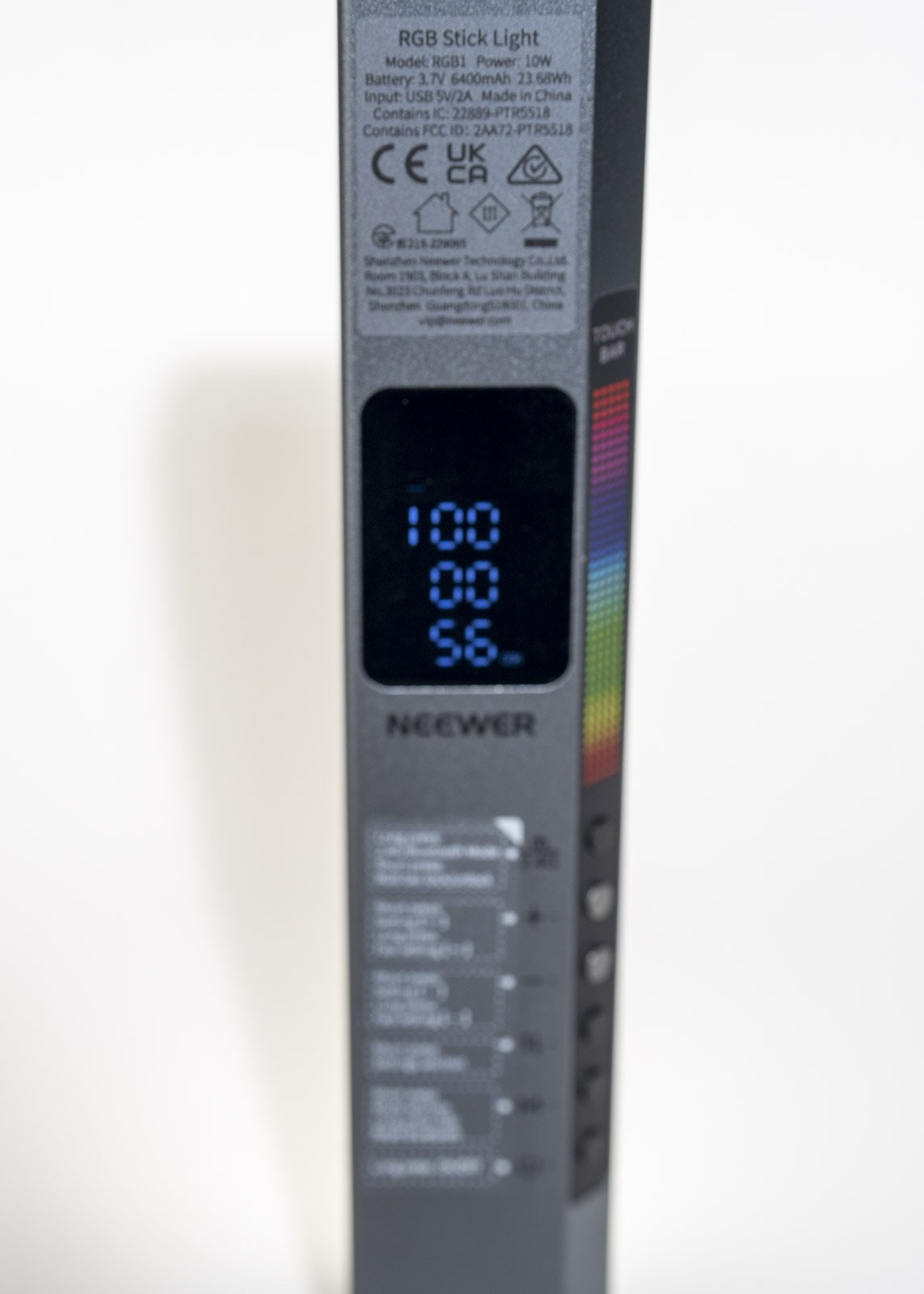
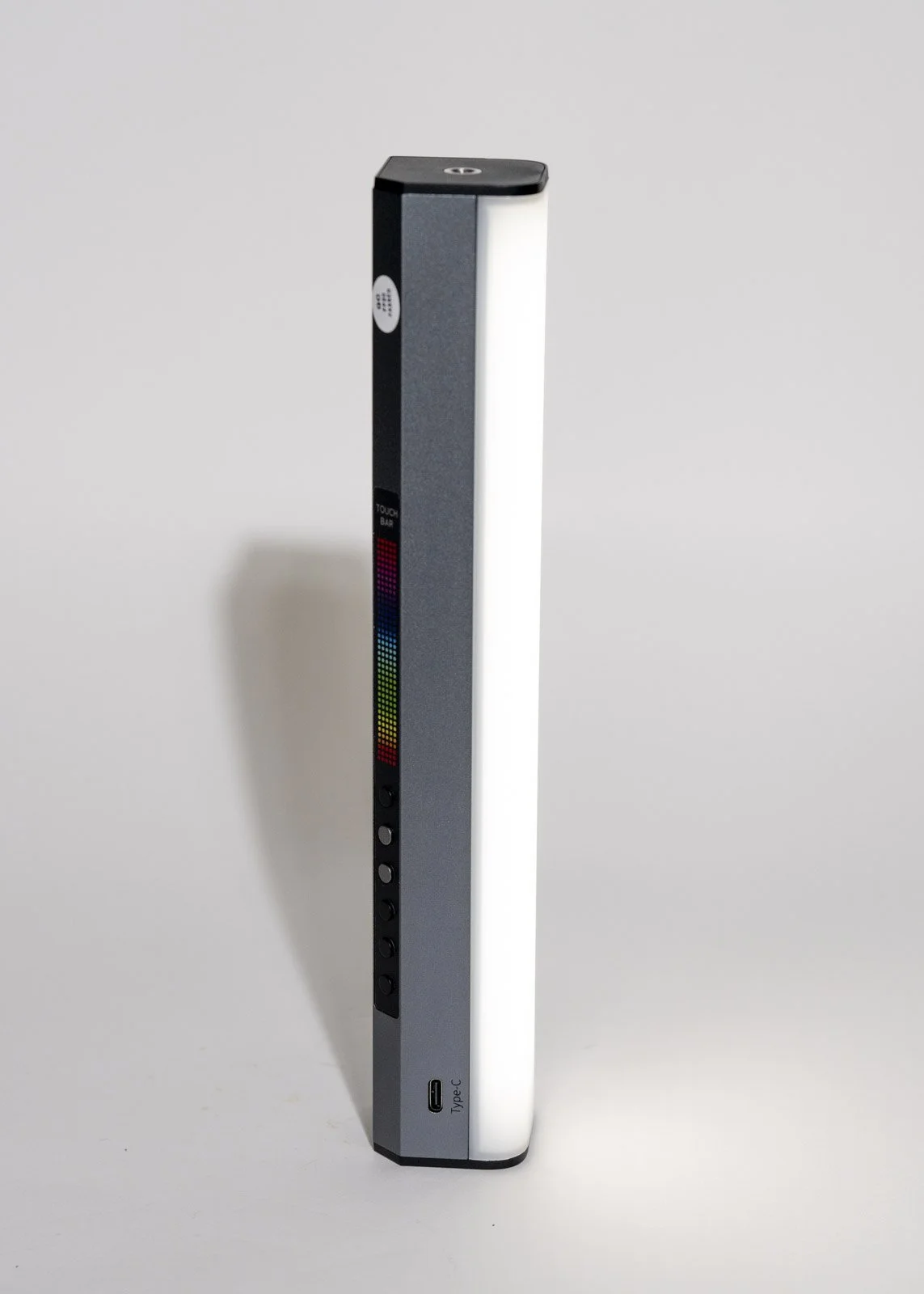
Neewer RGB1
10W output
CRI 98+
3200K – 5600K colour temperature
Full RGB (HSI control)
~90 mins runtime at 100%
6400mAh battery (USB-C charging)
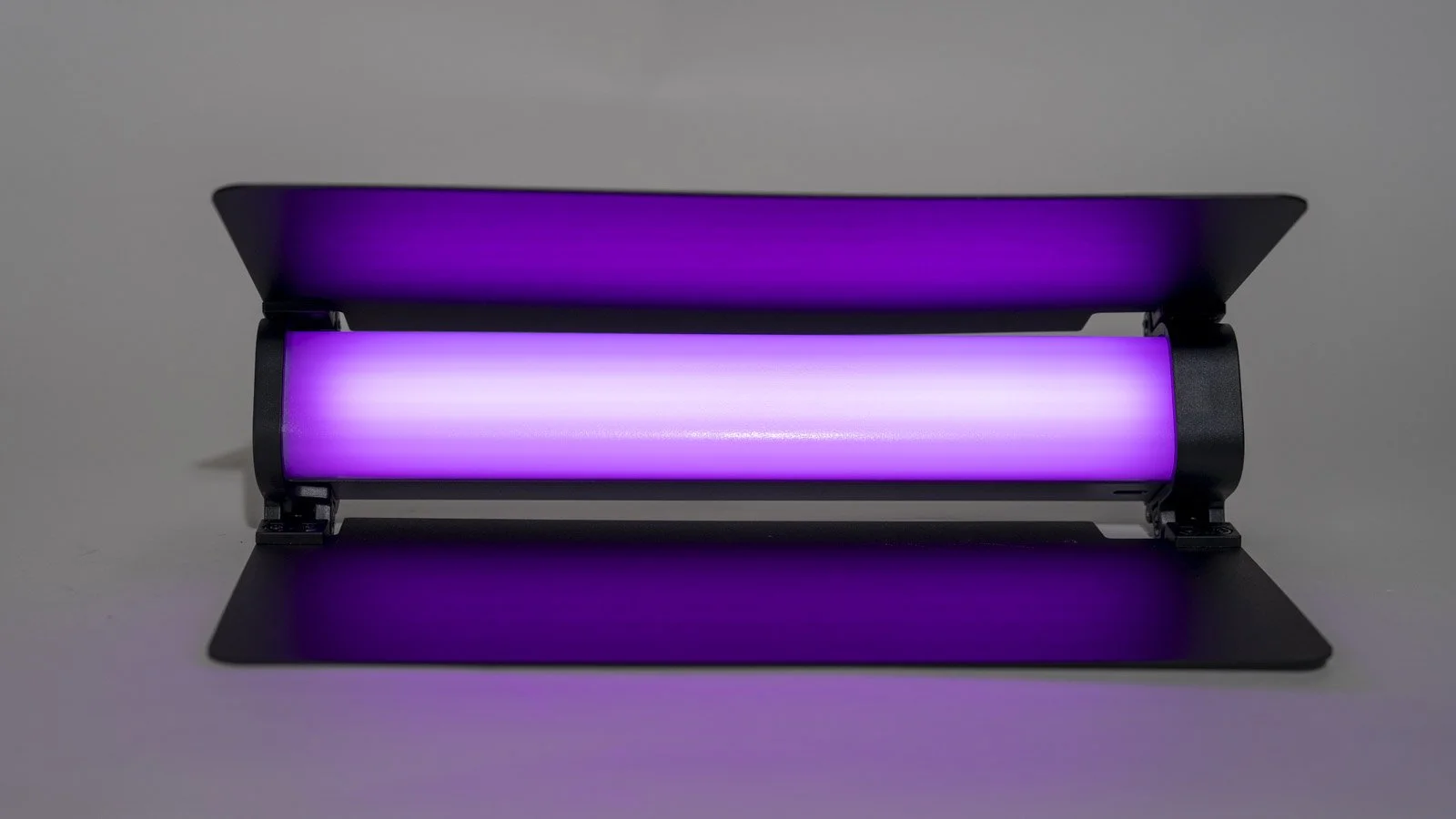
Metal Barn doors included
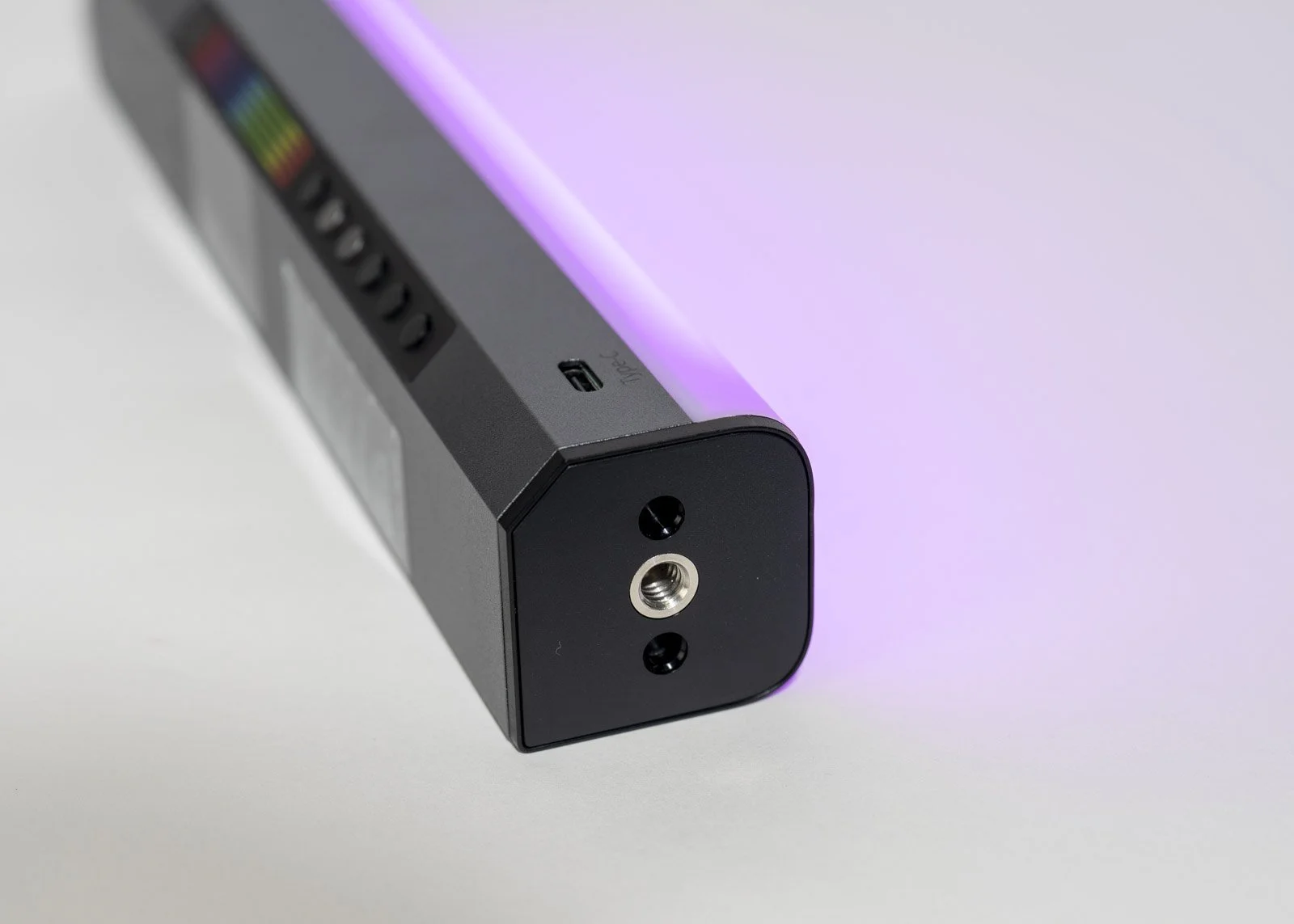
Magnetic mounting + dual 1/4” threads
App control (up to ~50m)
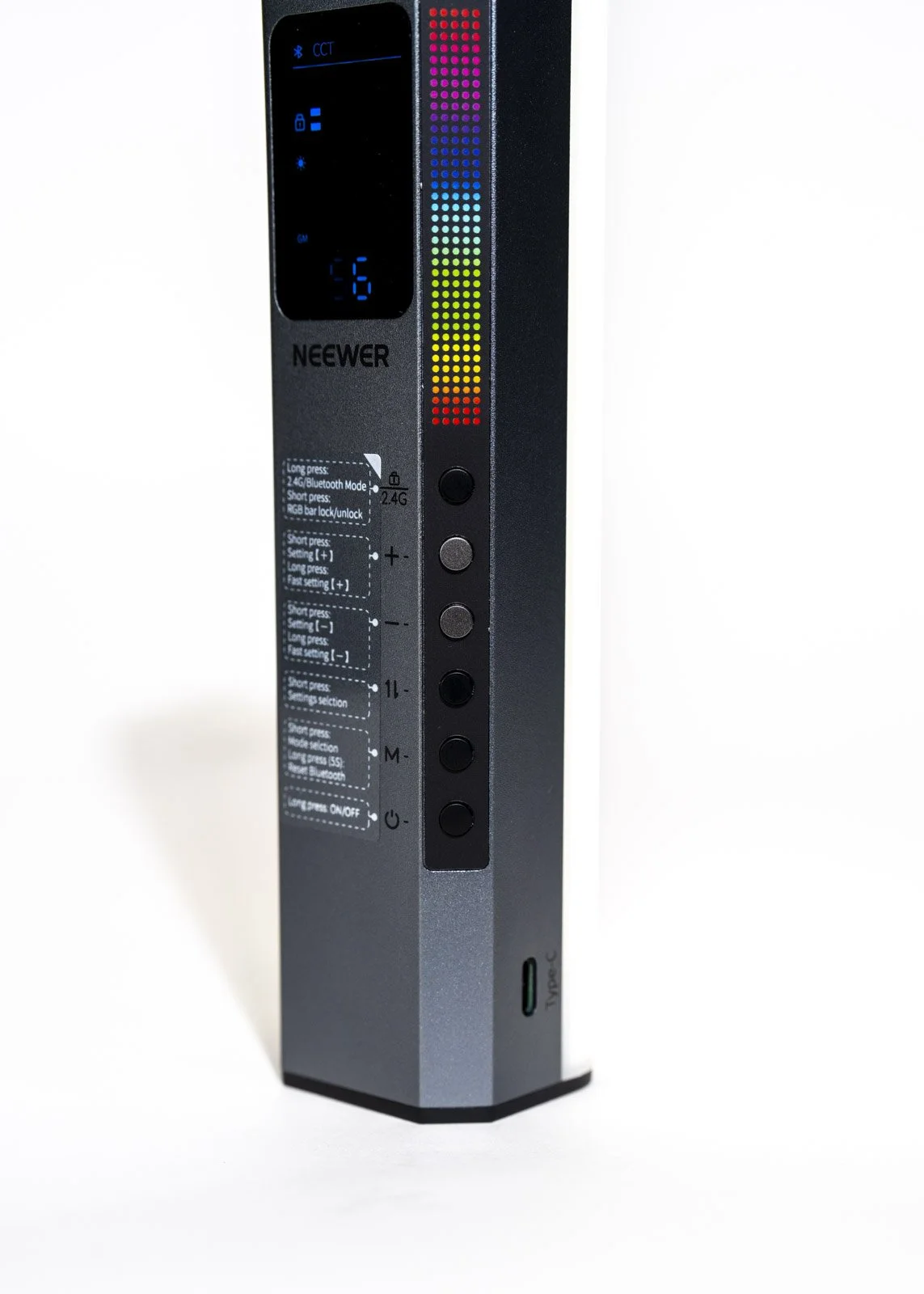
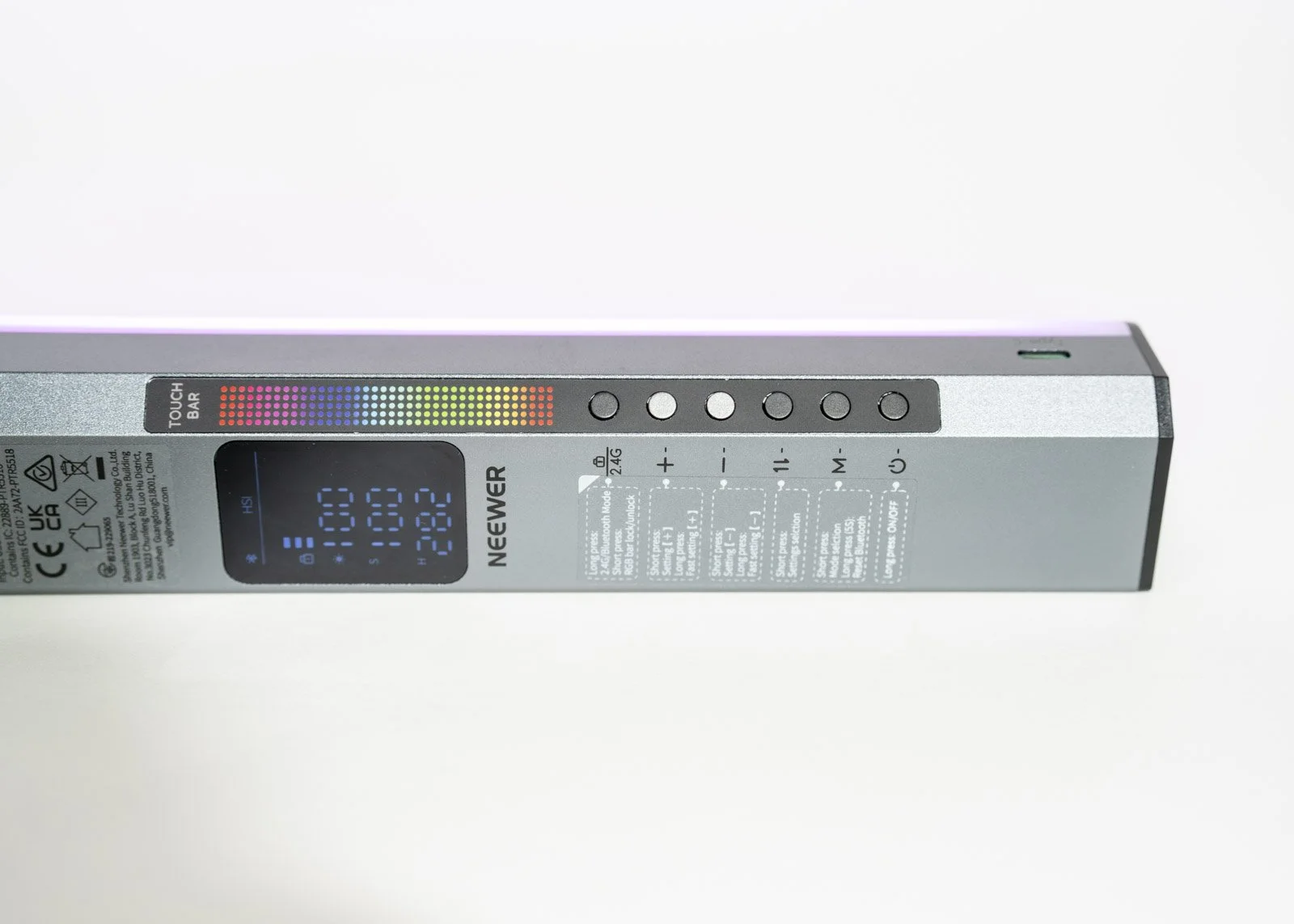
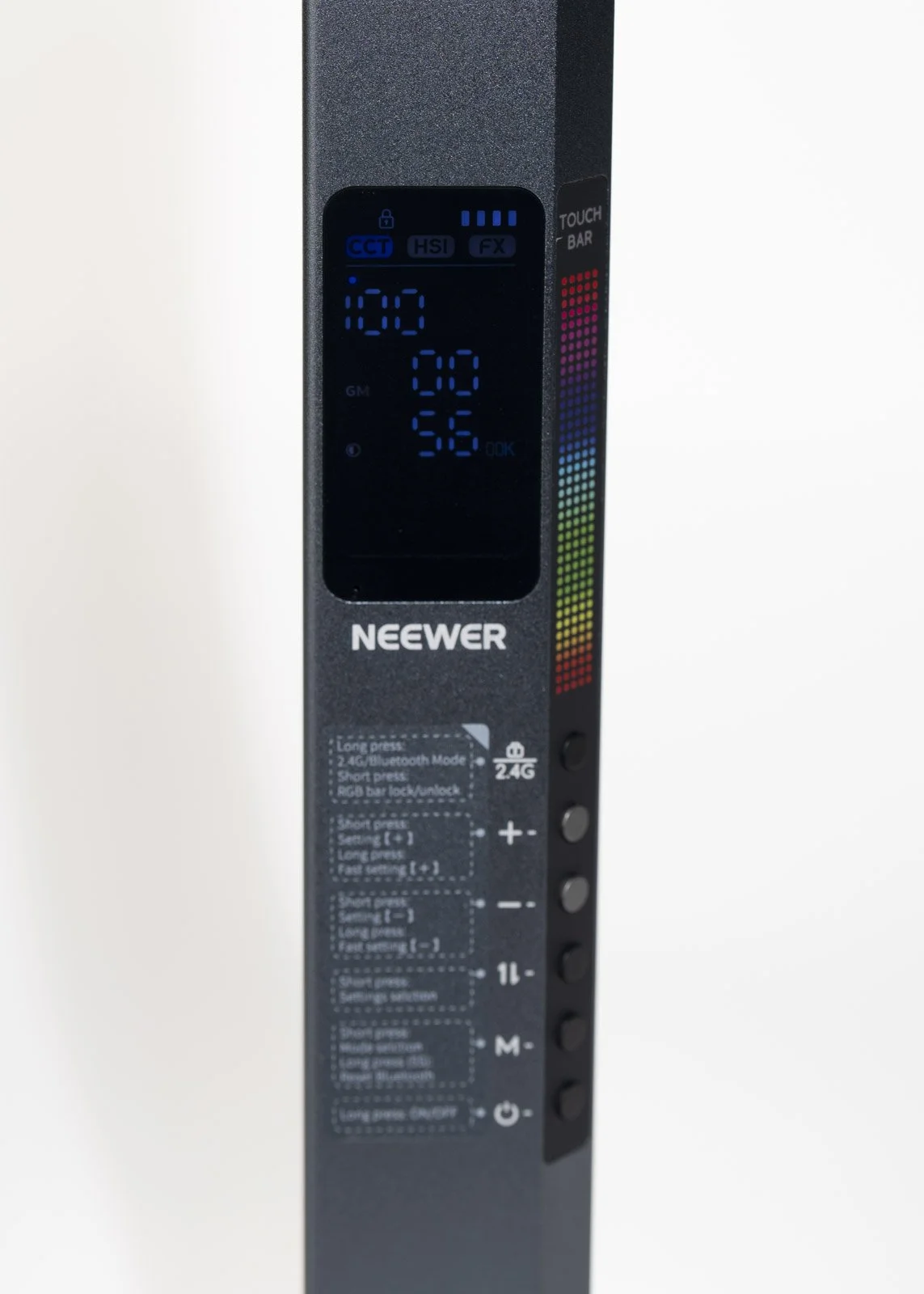
RGB touch bar + 17 scene effects
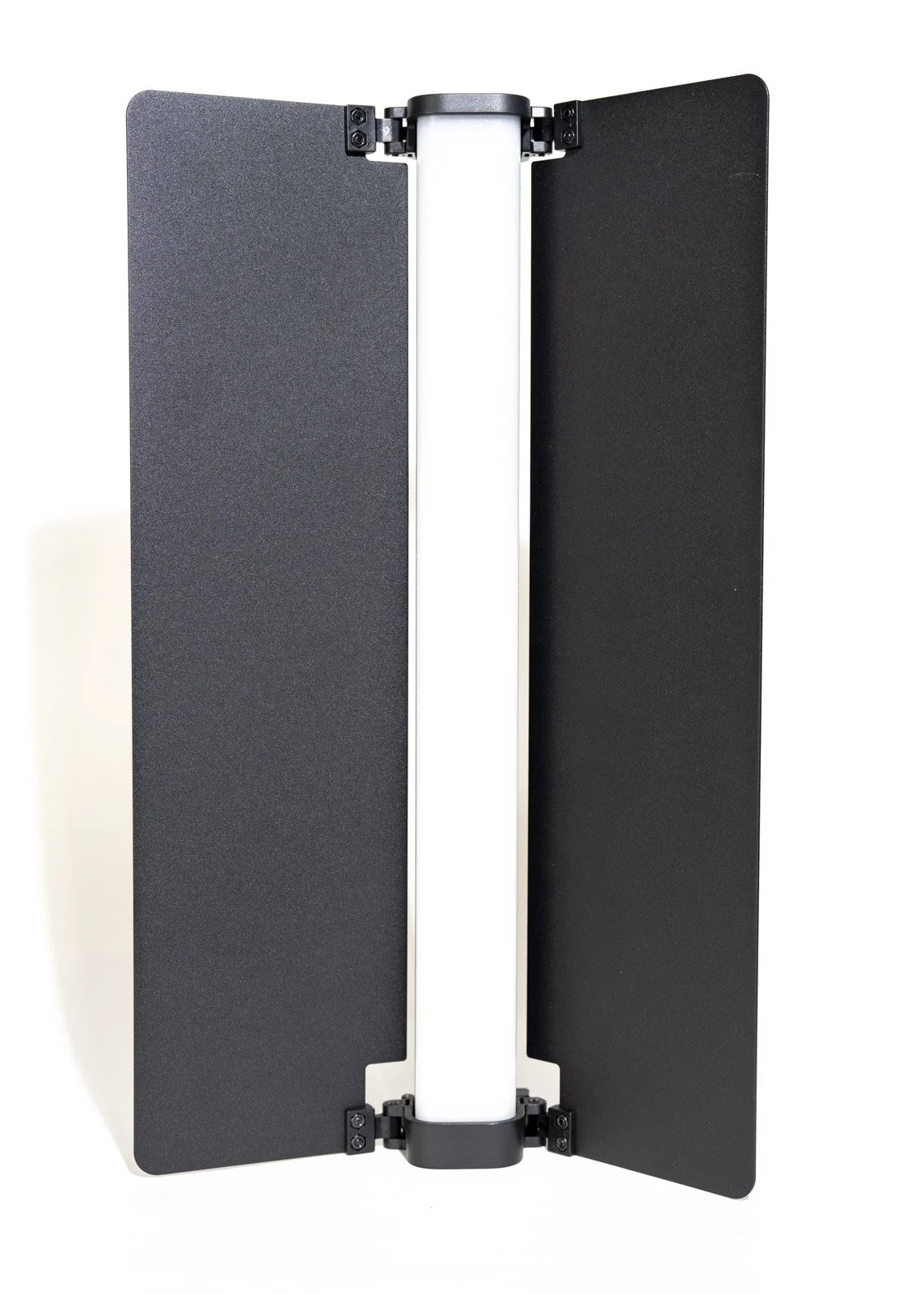
Neewer RGB2
Neewer RGB2
20W output
CRI 98+ / TLCI 97+
2500K – 10,000K colour temperature
RGBWW colour system (better colour blending)
~100 mins runtime at 100%
Fast USB-C PD charging (~2.7 hrs)
Detachable metal barn doors
Magnetic mounting + handle + 1/4” mount
App + onboard + 2.4G control (~15m realistic)
296 LEDs, ~1860 lux @ 0.5m
18 scene effects + LCD display
Build & Handling
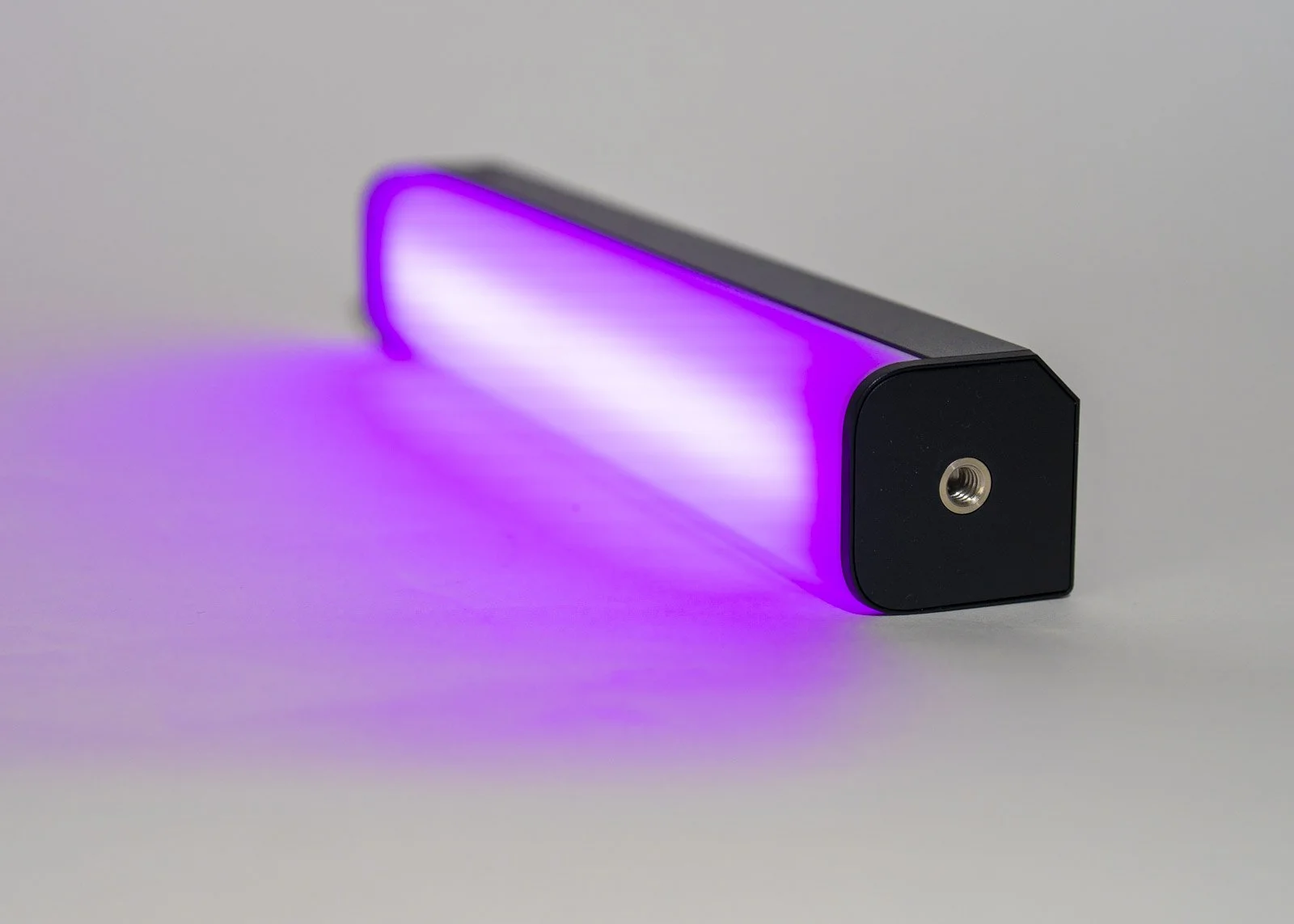
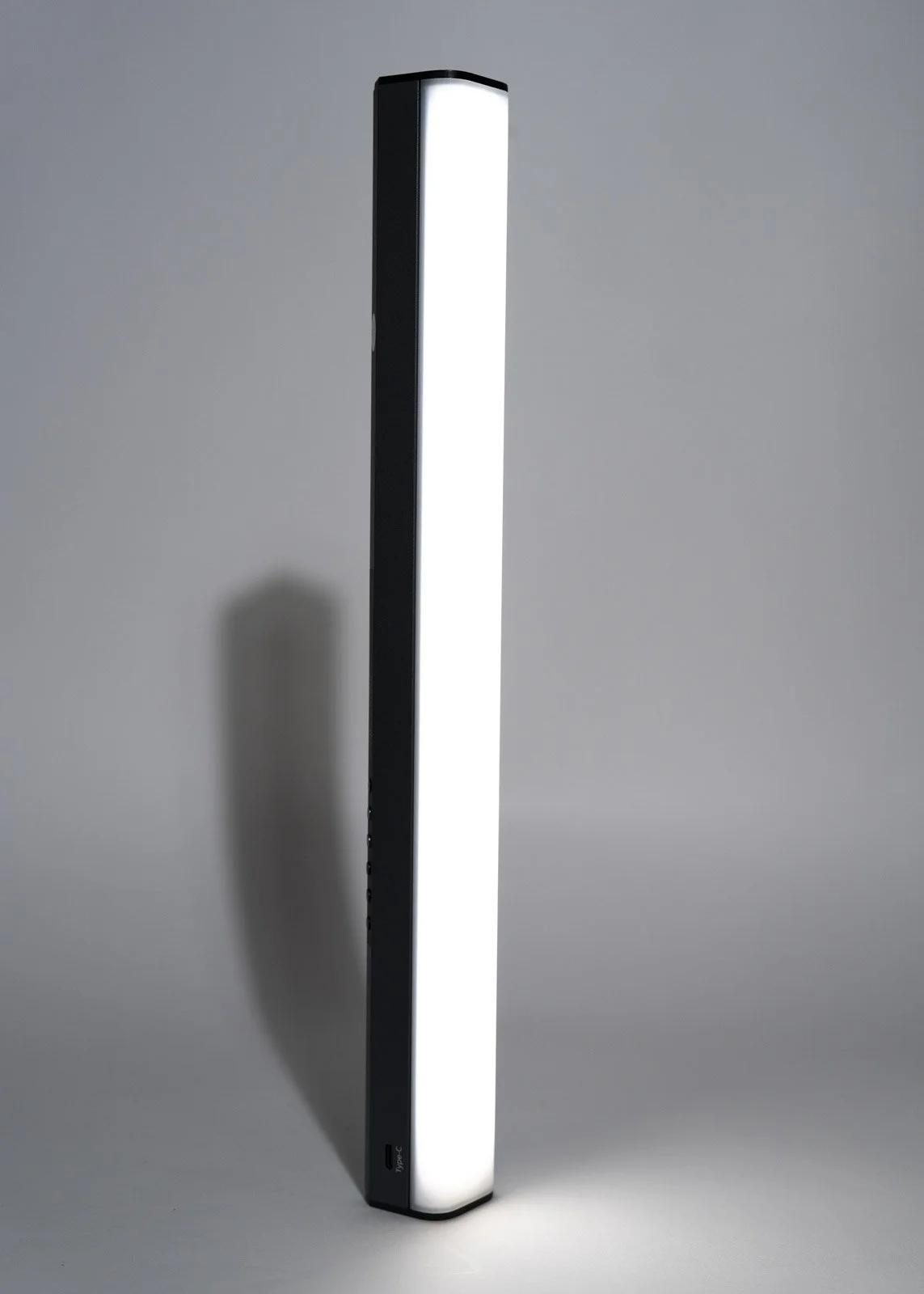
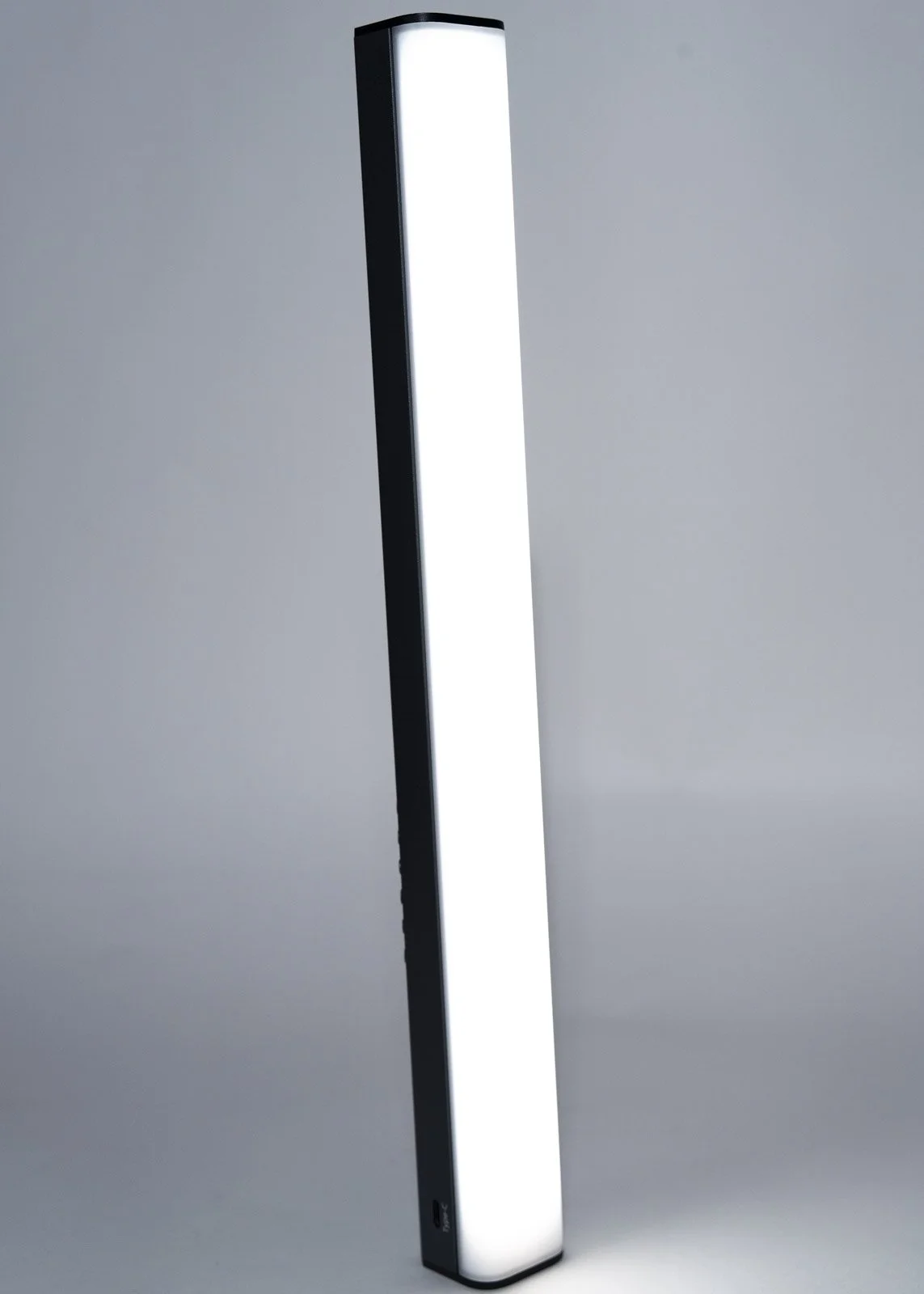
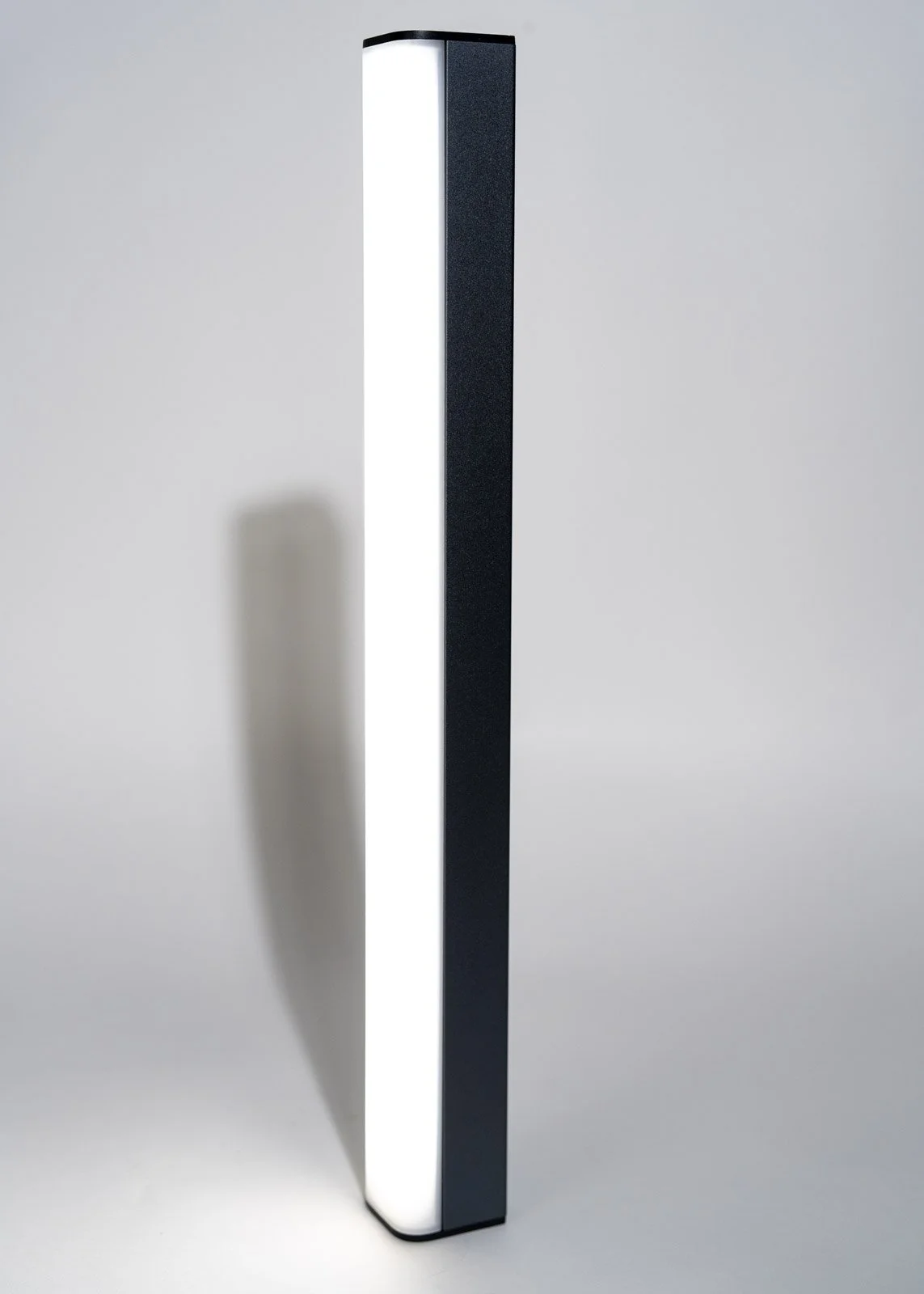
Both lights are lightweight and portable, but they feel quite different in use.
RGB1 is smaller, lighter, and easier to handhold for longer periods
RGB2 is larger, more robust, and feels more like a “set it and shape it” light
Both include barn doors, which is a big win. This lets you:
Control spill
Shape light direction
Avoid that “everything is glowing” look
And both have magnetic mounting, which is honestly one of my favourite features. Stick it to a shelf, a stand, a pole… done.
Real-World Use (This Is Where It Matters)
RGB1 – Close, Controlled, Intentional
At 10W, this light works best when it’s close to your subject.
Where I found it most useful:
Still life setups
Macro photography
Tight portrait lighting
Quick accent or rim lighting
It’s easy to position, easy to control, and doesn’t overpower your scene.
👉 This is your precision tool
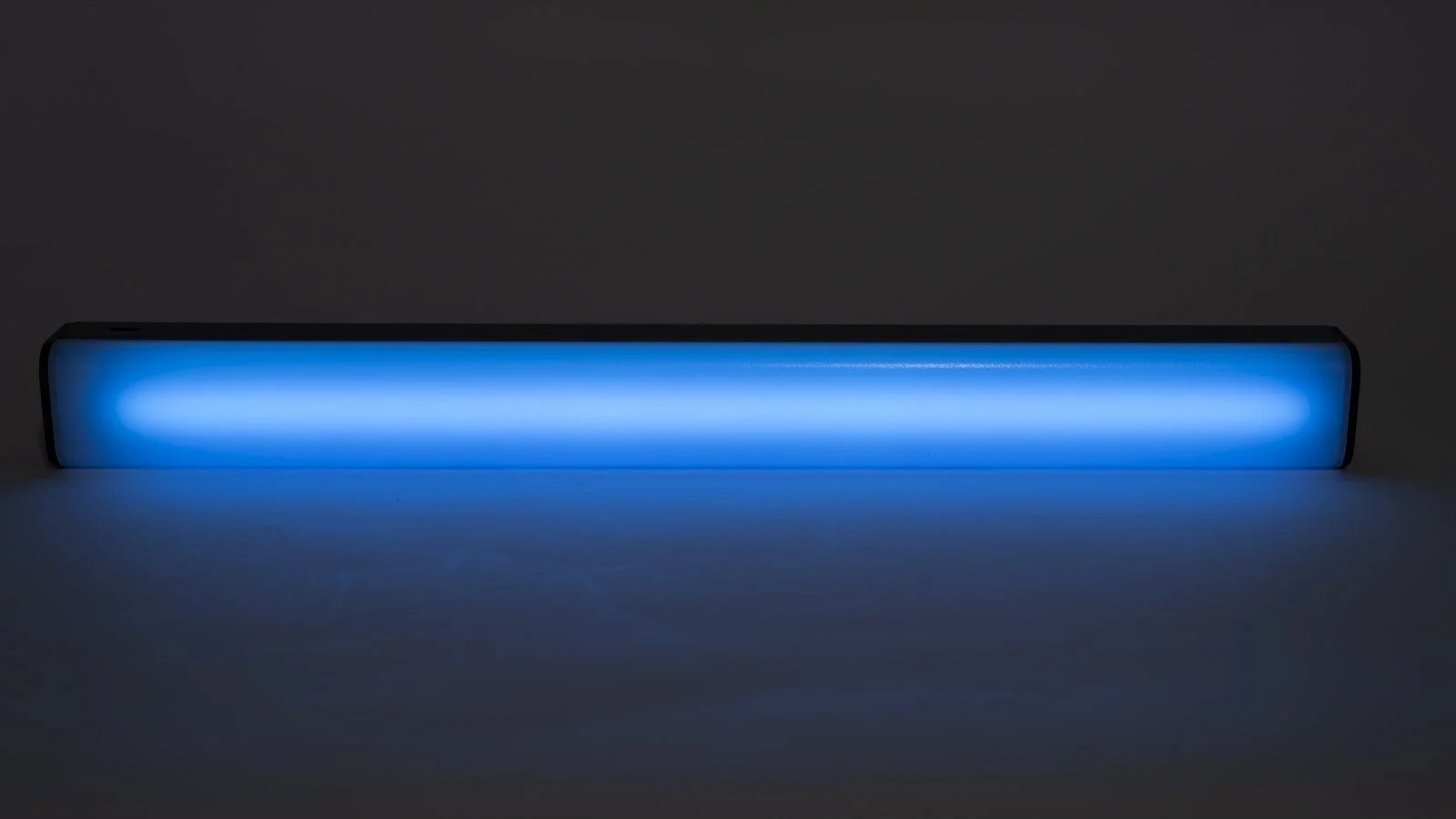
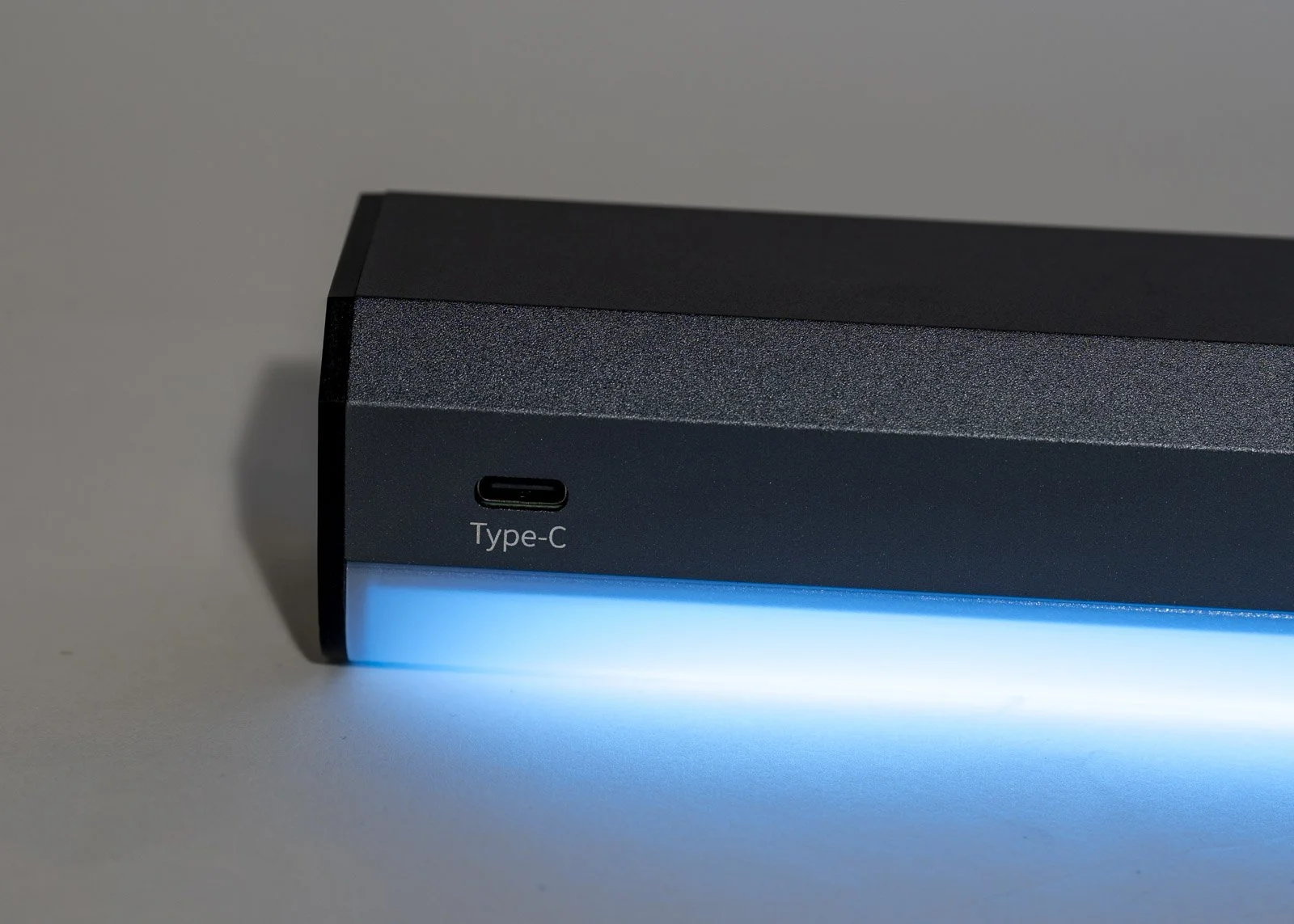
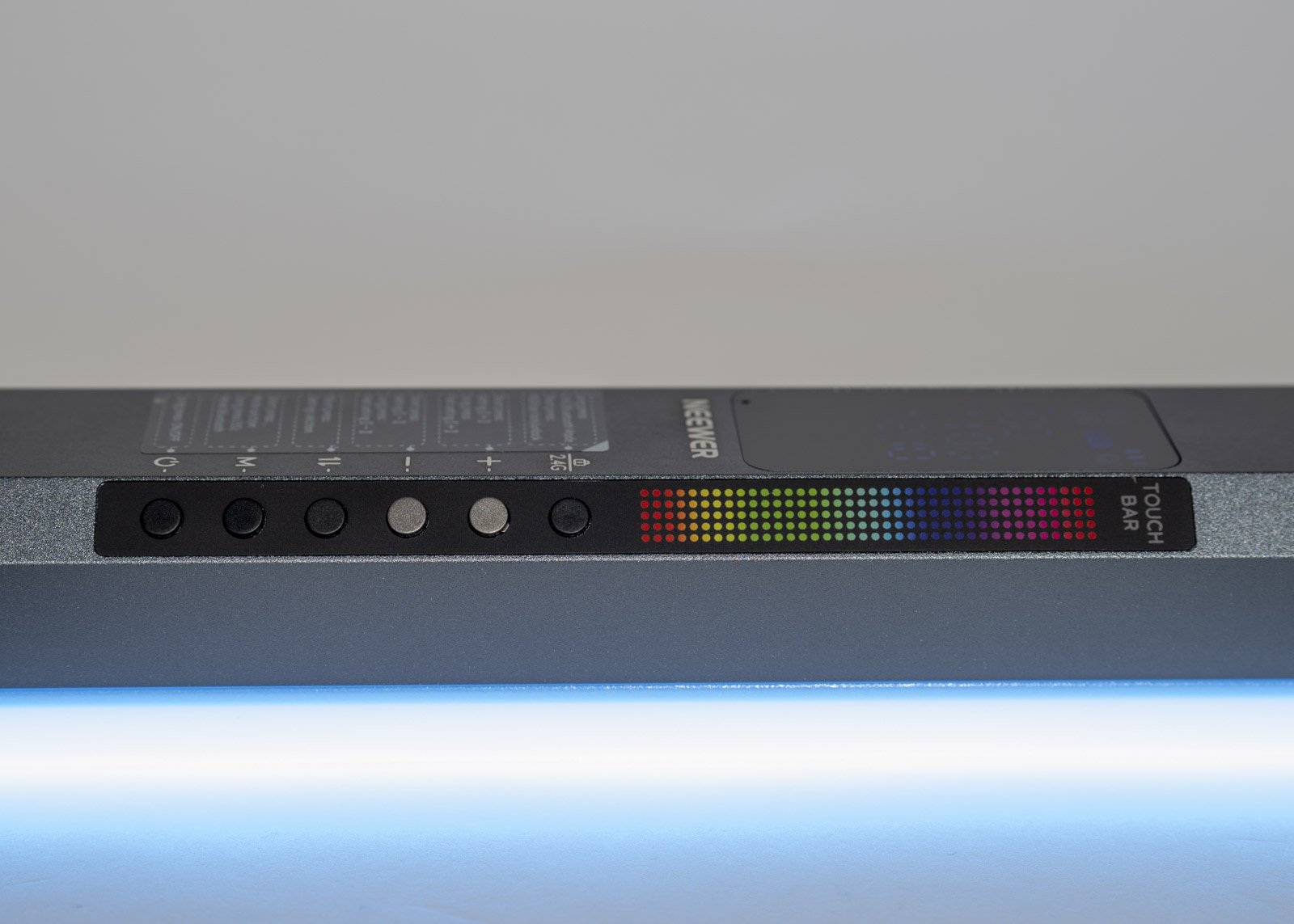
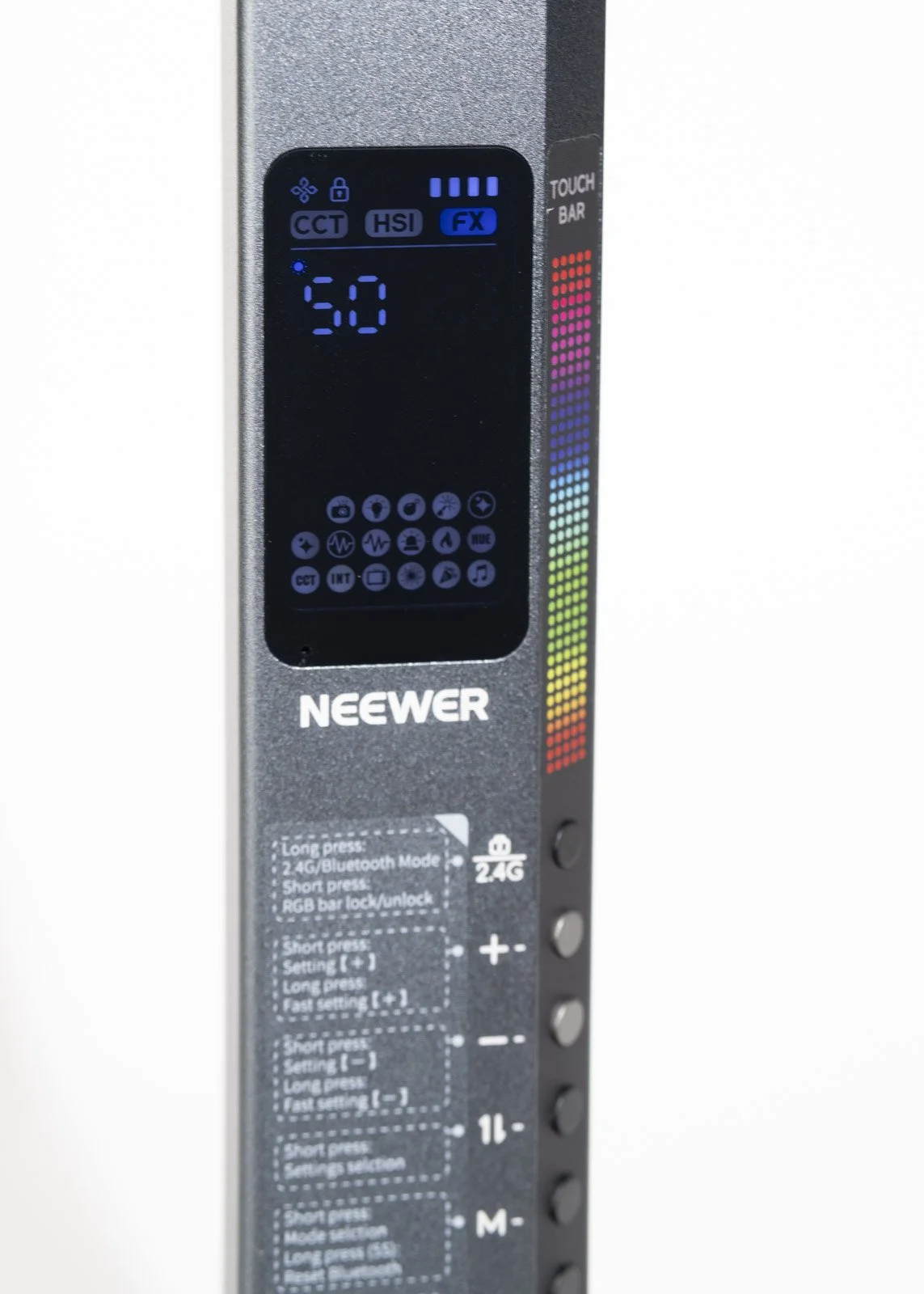
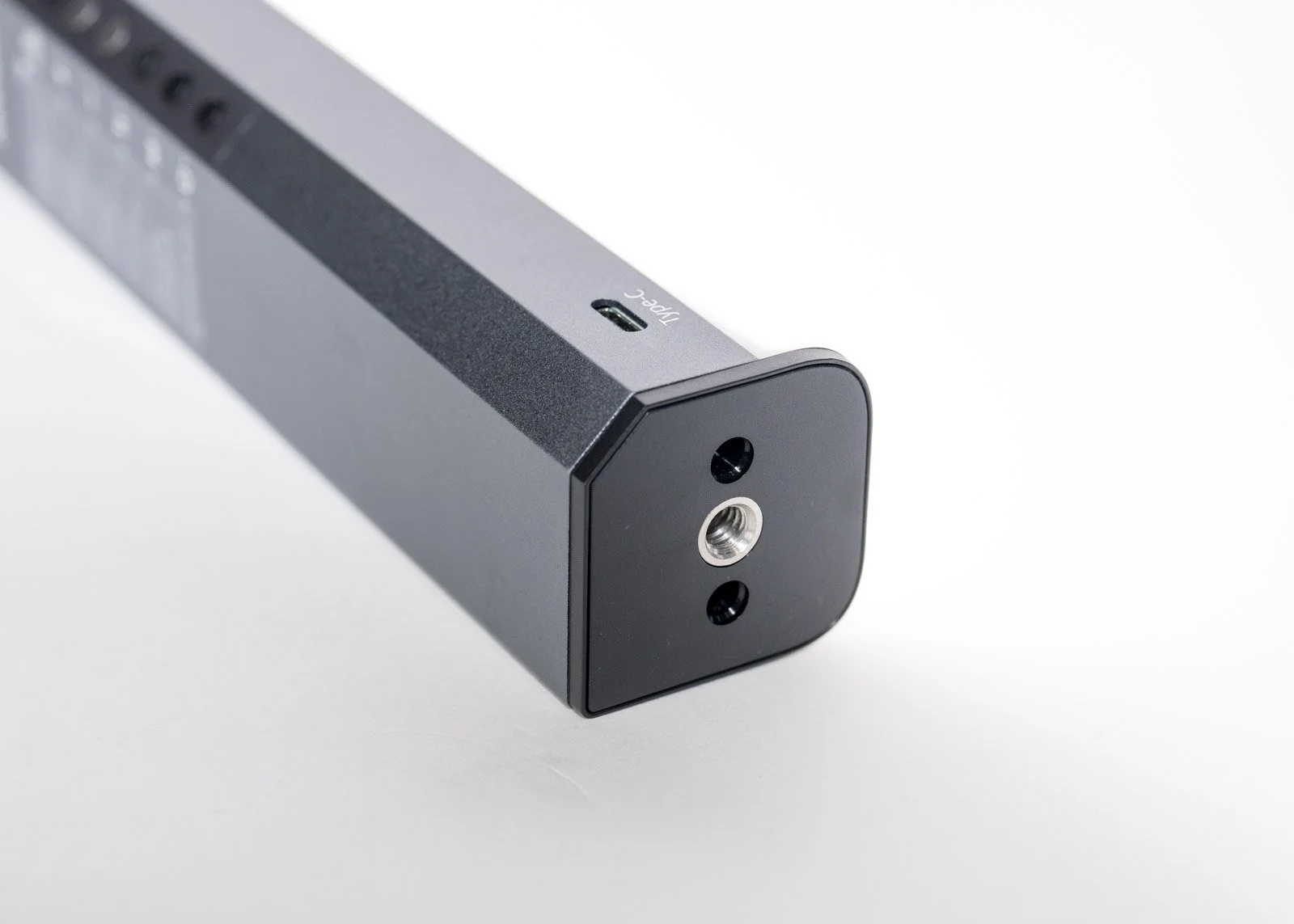
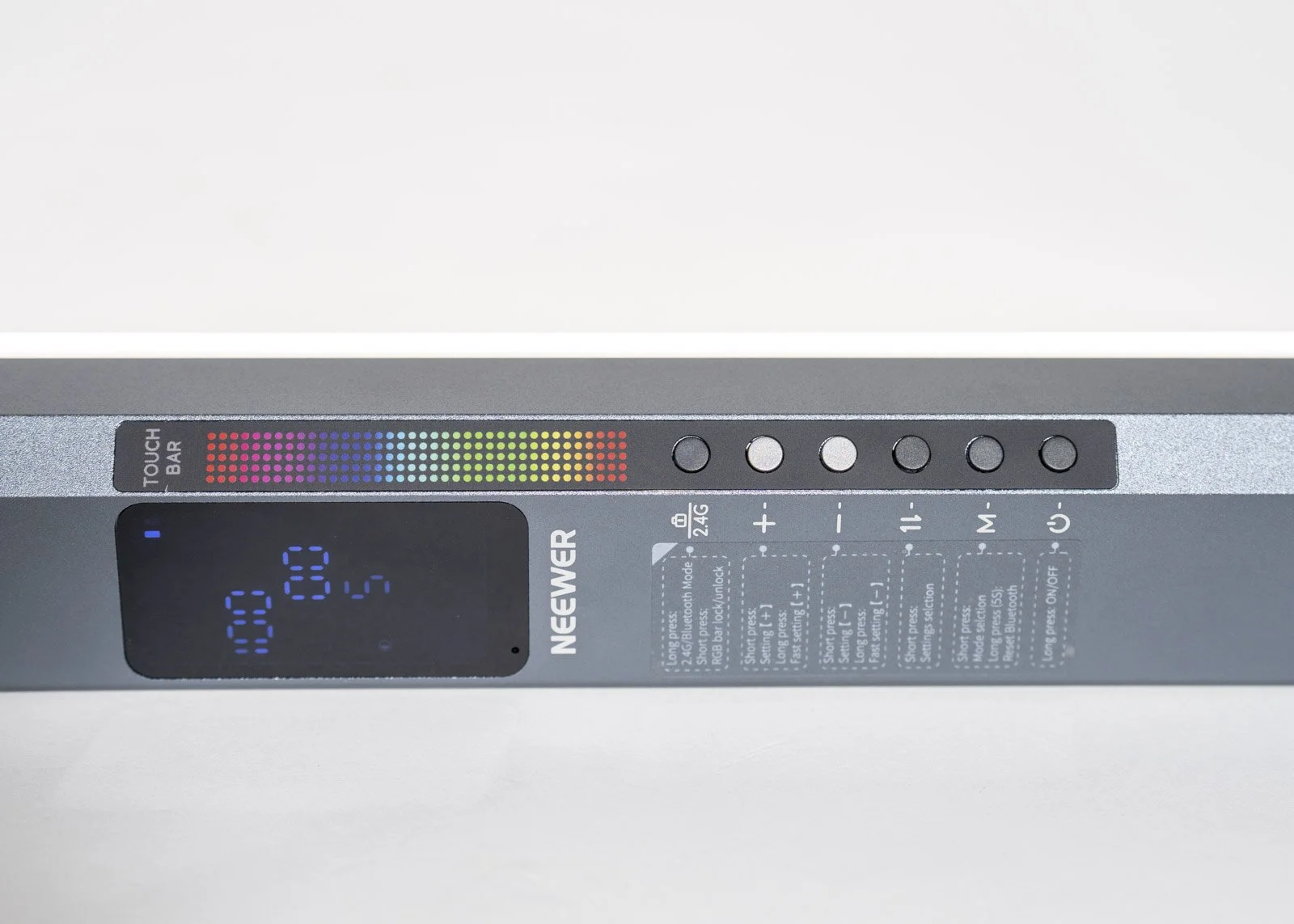
RGB2 – Distance, Coverage, and Creative Flexibility
At 20W, the RGB2 gives you more breathing room.
Where it shines:
Full-body portraits
Lighting from further away
Background colour washes
Stronger rim or separation lighting
And the big one:
👉 2500K–10,000K range + RGBWW
This gives you far more flexibility to:
Warm things right down (almost candlelight tones)
Push into cooler, stylised looks
Match or contrast ambient light more accurately
👉 This is your coverage + control tool
Features That Actually Make a Difference
Mounting Options (Both Lights)
Handheld
Light stand (1/4”)
Magnetic mounting
Adhesive plates (RGB1)
👉 Great for small studios where space is tight
App Control
Both lights connect to the NEEWER app, allowing:
Brightness and colour adjustments
Scene selection
Presets and memory
Group control
👉 Especially useful in workshops or multi-light setups
Touch Bar Control
Both include a touch-sensitive RGB bar:
Quick colour selection
Lock feature to avoid accidental changes
👉 Sounds gimmicky, actually quite handy in practice
Pros and Cons
Neewer RGB1 (10W)
Pros
Lightweight and easy to handle
Barn doors for shaping light
Magnetic mounting = super flexible
Great for close-up work
Reliable ~90 min runtime
Cons
Limited power
Narrower colour temperature range
Not suited for larger scenes
Can get warm to the touch during extended use
Neewer RGB2 (20W)
Pros
Double the output
Wide 2500–10,000K range
RGBWW = better colour quality
More versatile for larger setups
Slightly longer runtime (~100 mins)
Better for distance and coverage
Cons
Bulkier
Less comfortable handheld for long periods
Overkill for tight setups sometimes
Also can get warm with prolonged use
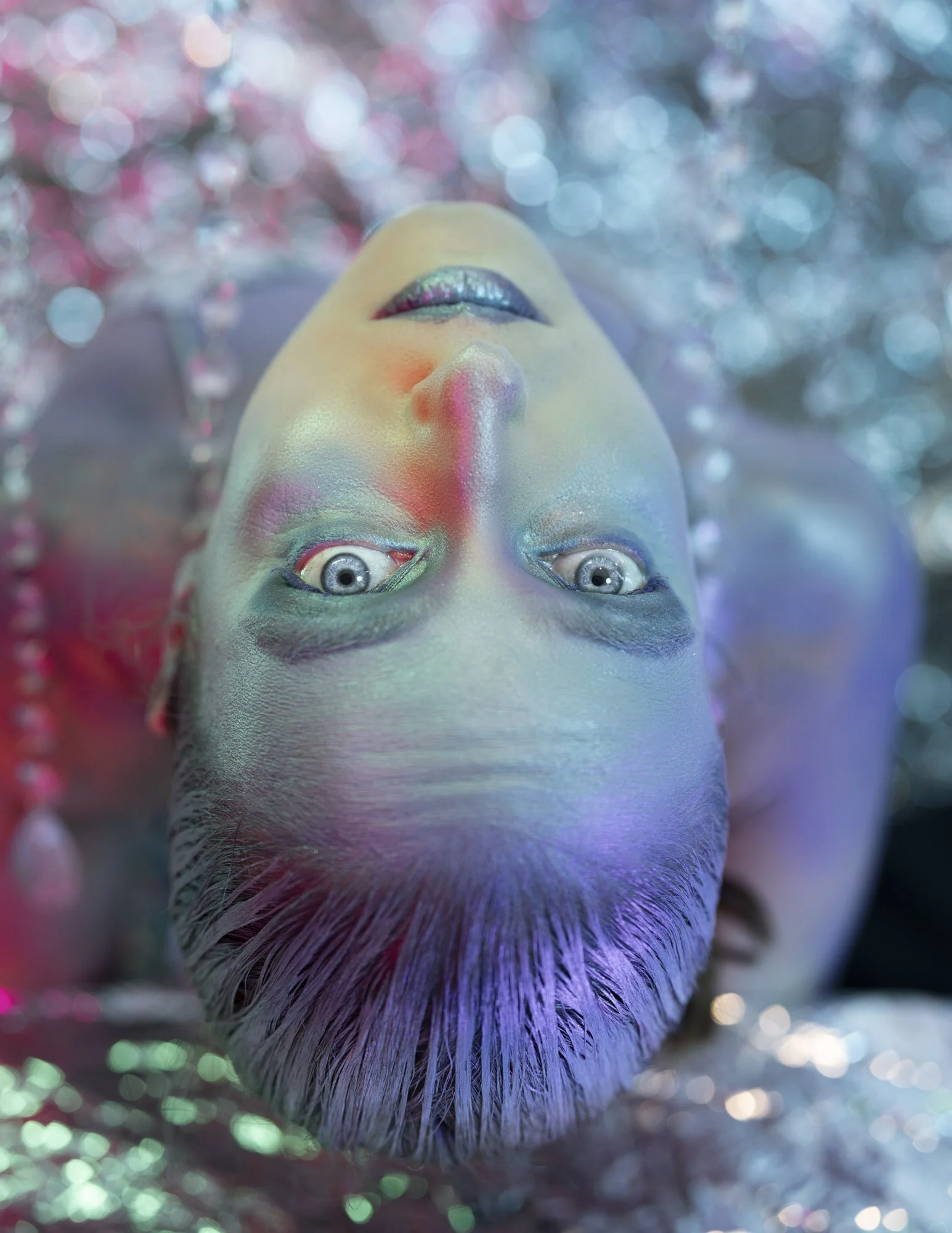
Sample Images from the studio


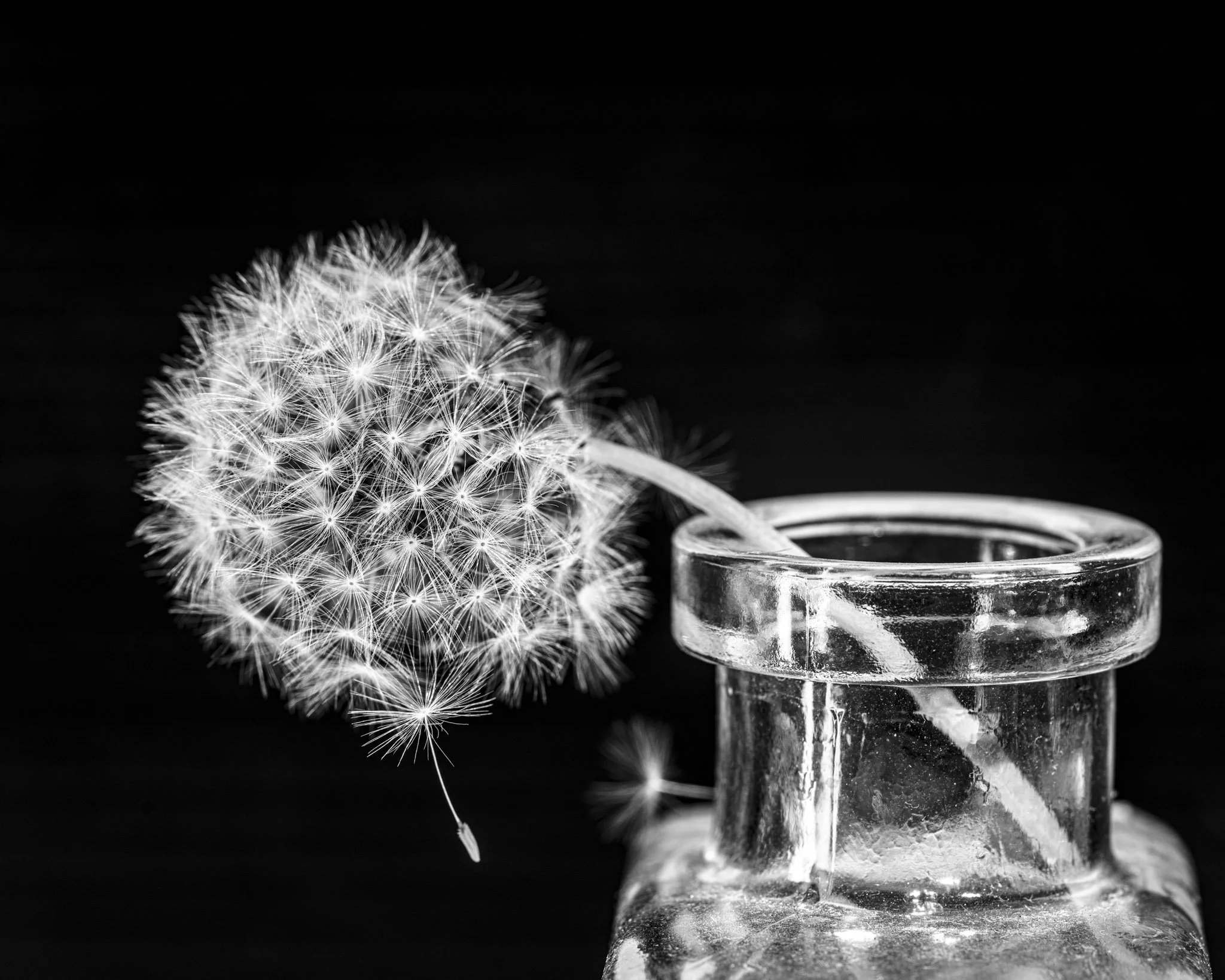
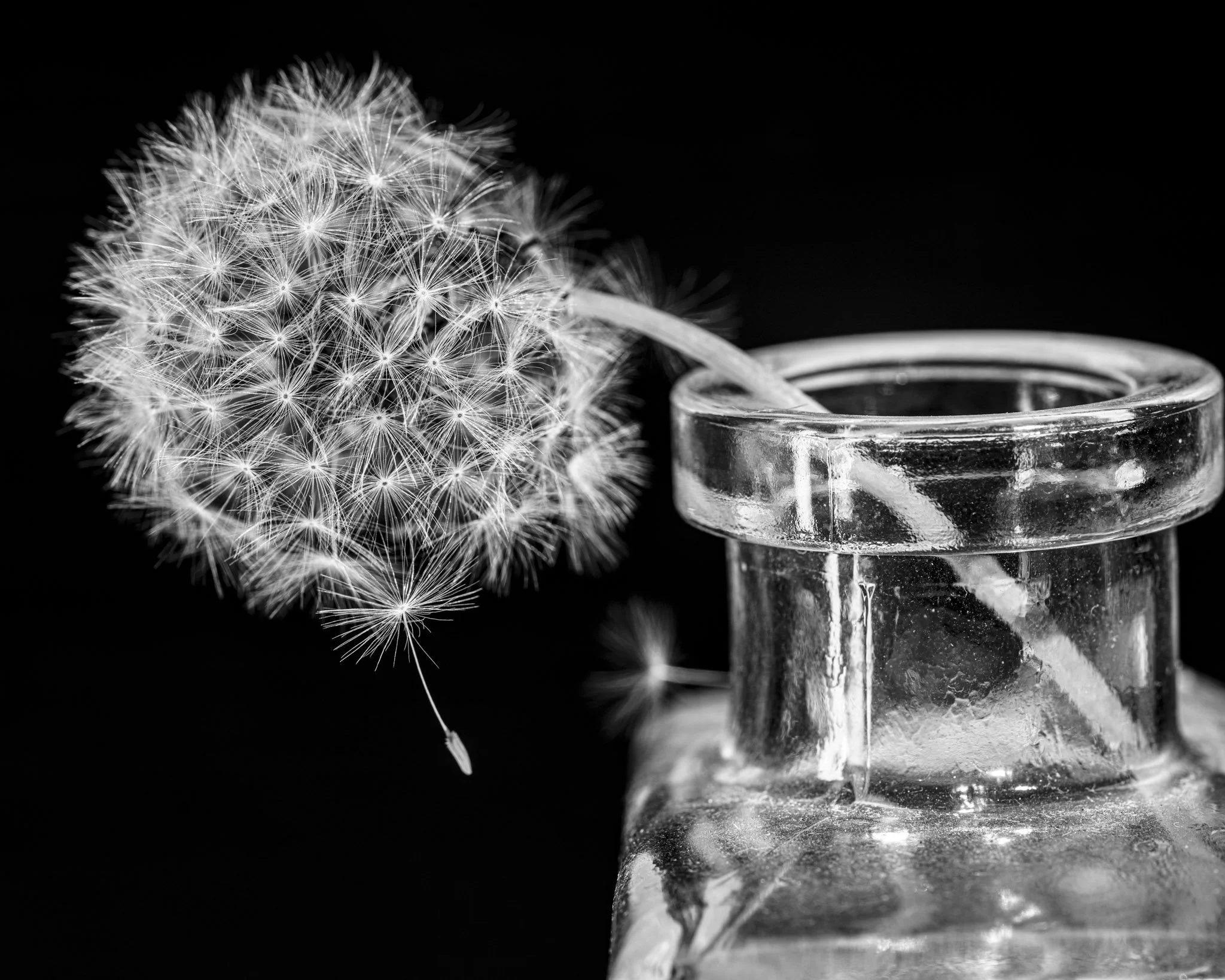
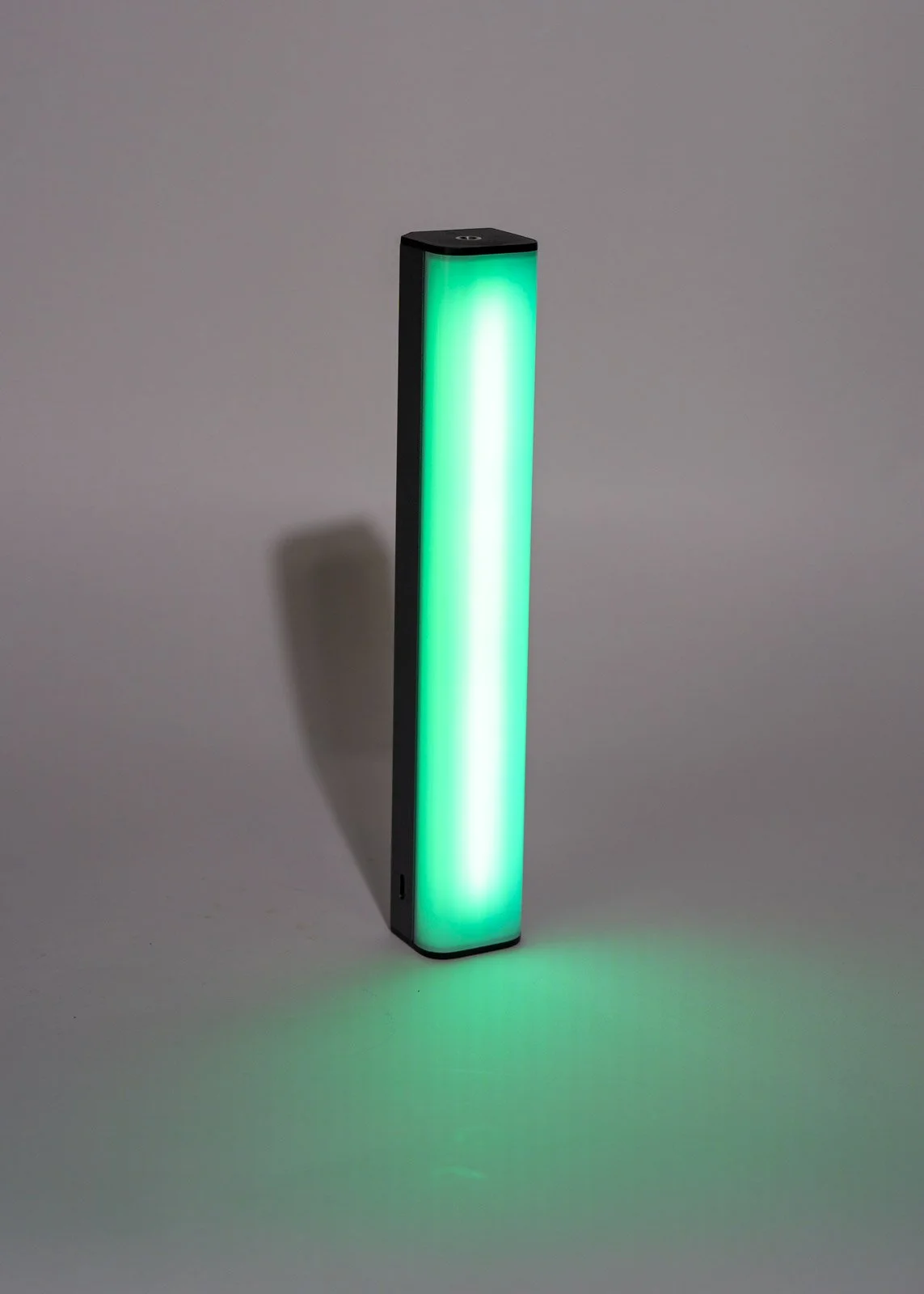
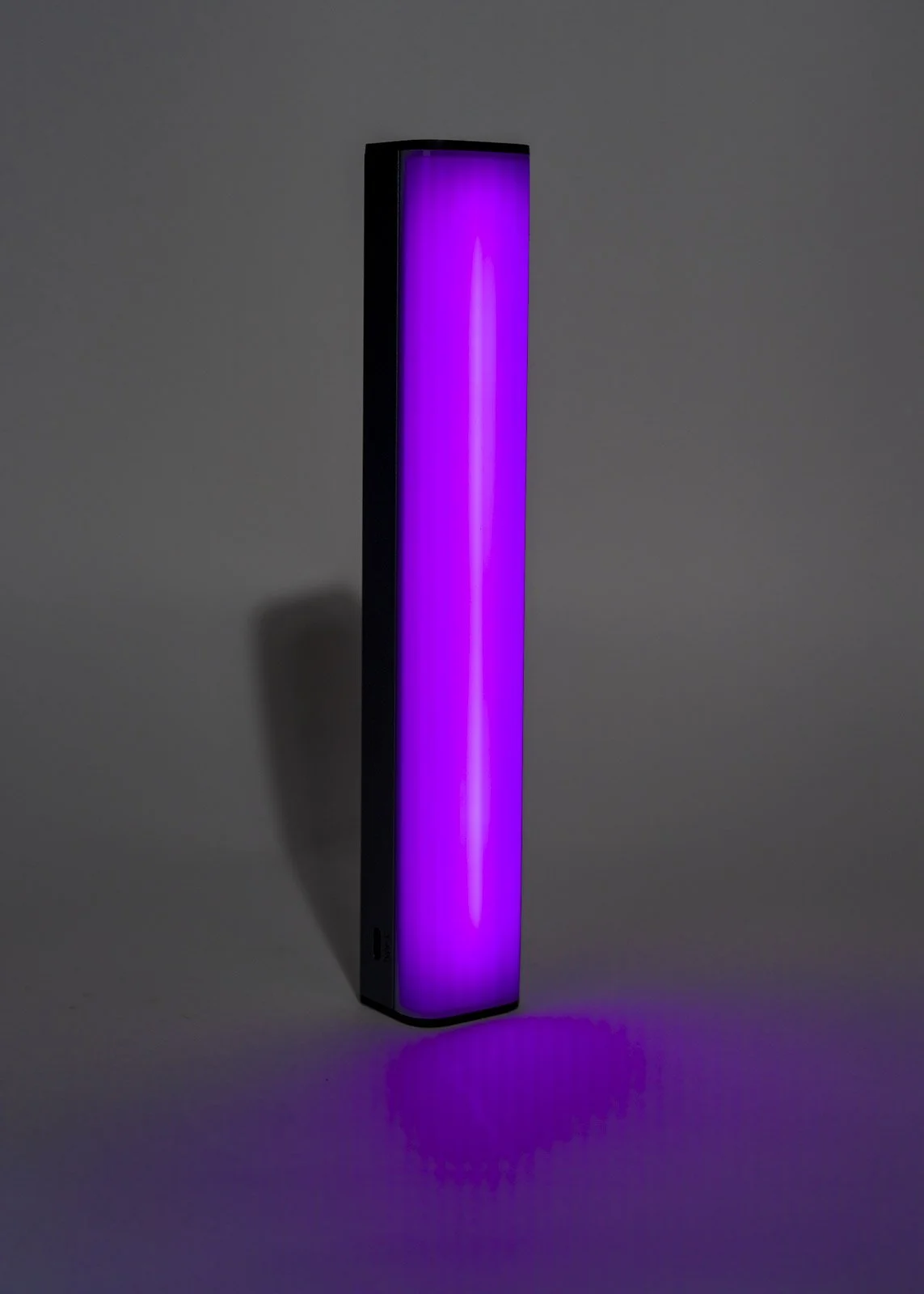
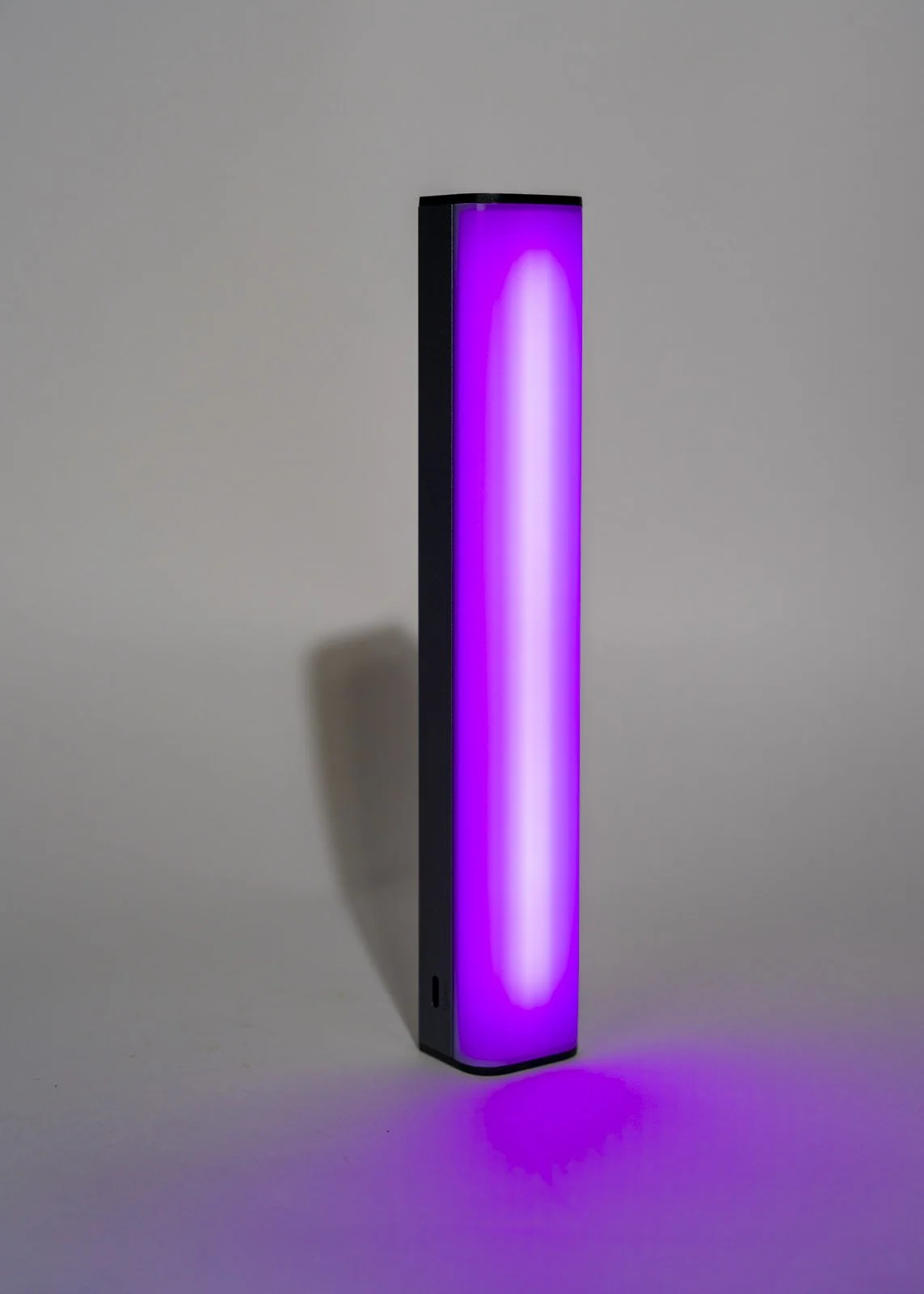
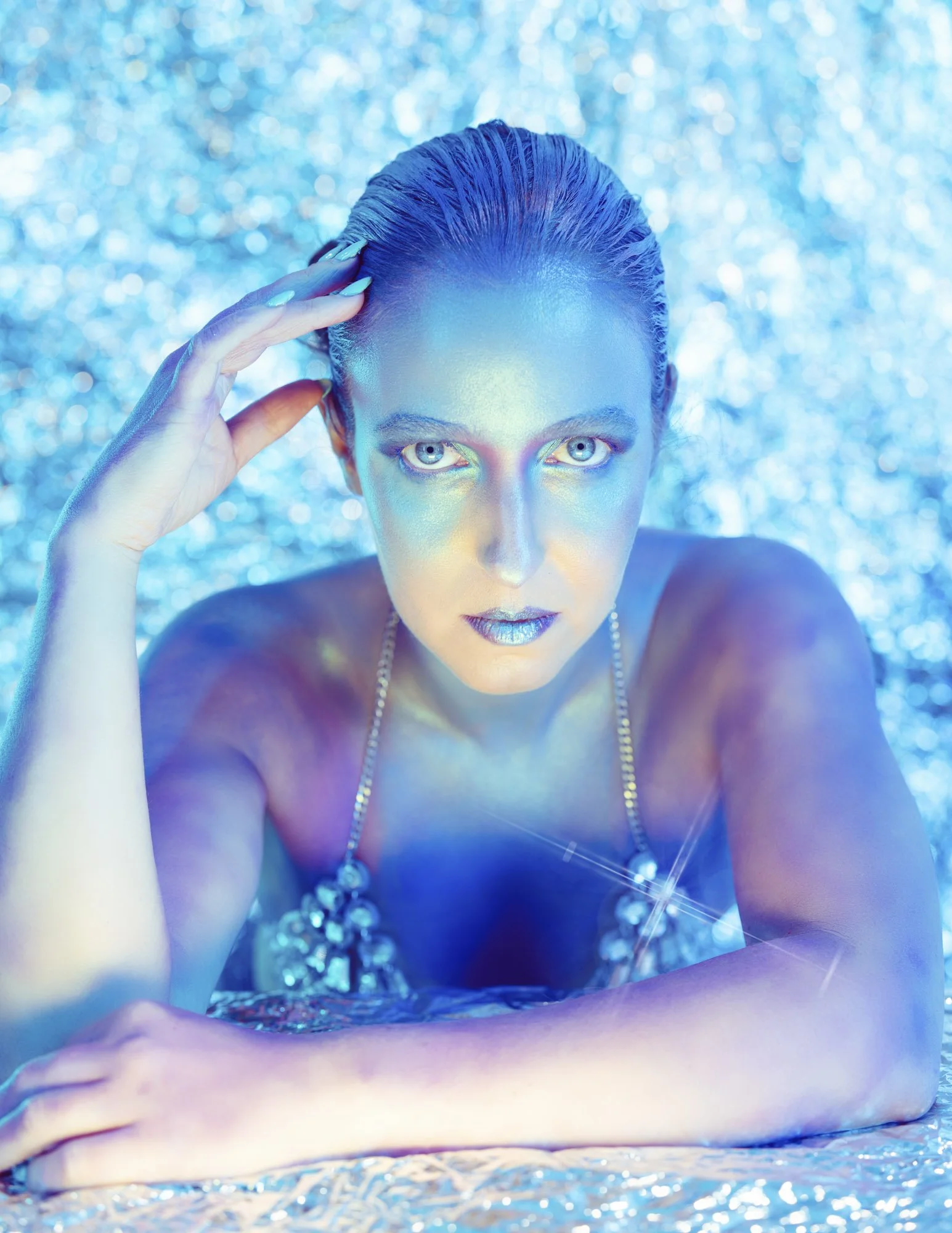
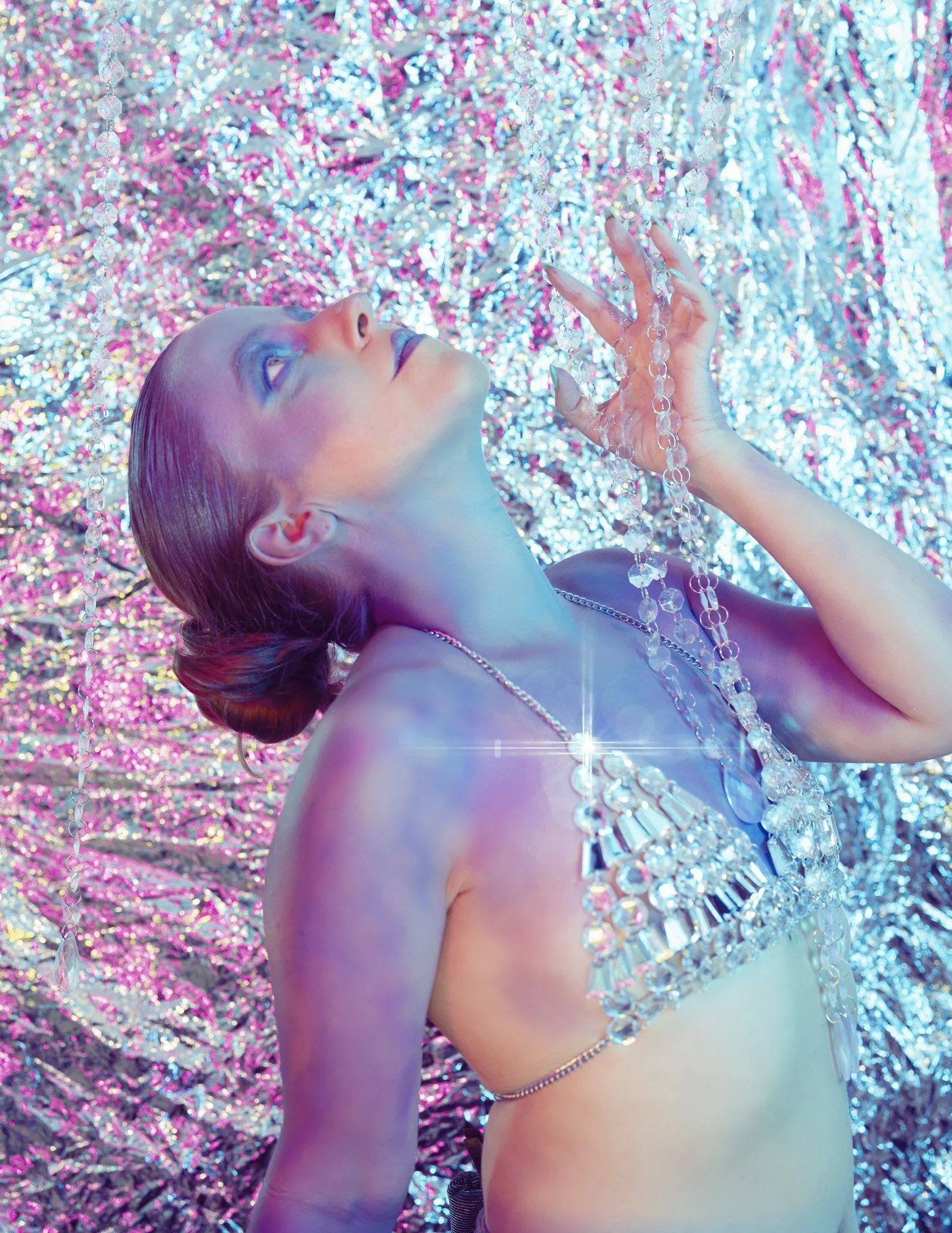
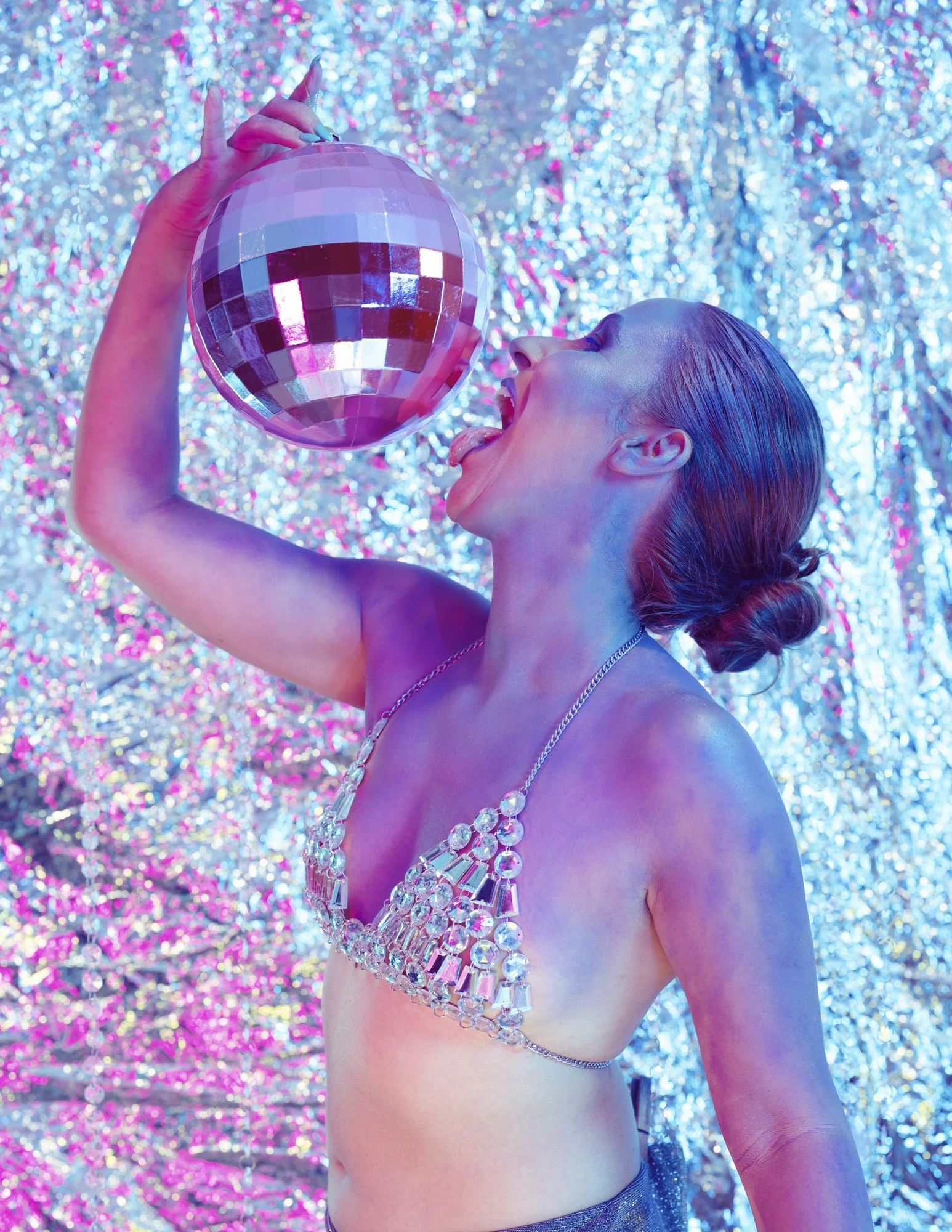
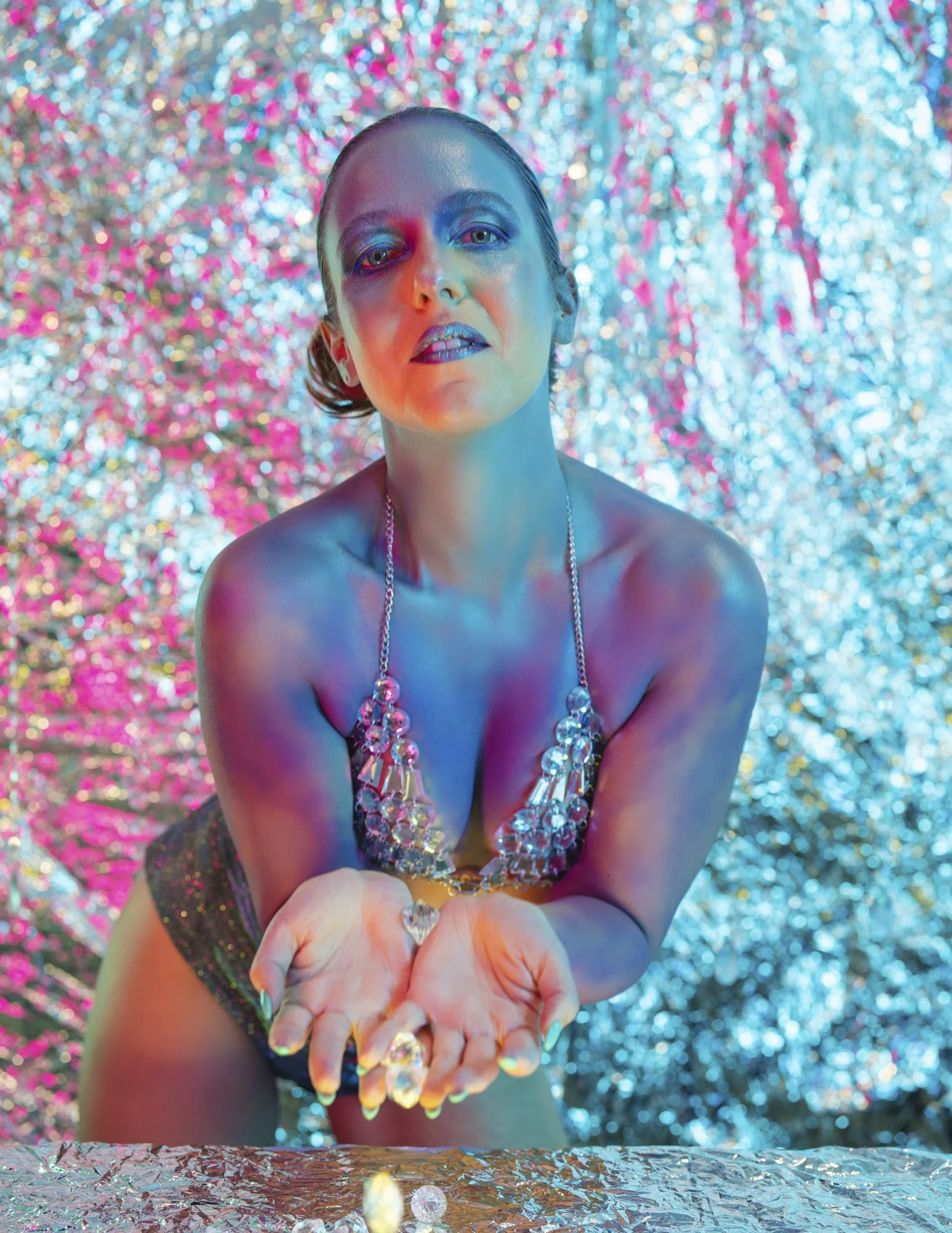
The following sample images were taken in the studio with a whole raft of Neewer LED Lights. The RGB1 was often hand-held or placed on the table in front of the model, while the RGB2 was on a light stand. I also used the TL60, TL90, GC21B, GC30C and CB300C with a softbox. It makes for an incredible line-up and some cool innovative lighting.
The Honest Take
Here’s where most people get it wrong.
They assume:
“I’ll just get the more powerful one”
But unless you’re consistently shooting:
Larger scenes
Full-body portraits
Or lighting from a distance
You don’t always need it.
In a smaller studio setup, the RGB1 is often easier, faster, and more controlled.
The RGB2 earns its place when you need:
More reach
More flexibility
More control over colour
Final Verdict
This isn’t beginner vs advanced.
It’s about how far your light sits from your subject.
RGB1 (10W) → best for close, controlled, creative work
RGB2 (20W) → best for distance, coverage, and flexibility
If you understand that, you’ll make the right choice.
One Thing Most People Overlook
Both of these lights are tools, not solutions.
They won’t fix bad lighting habits, but they will:
Help you experiment
Add depth and colour
Push your creativity further
Used well, they’re brilliant.
Used badly… well, we’ve all seen those neon disasters. But seriously pair them up with some other fabulous Neewer LED Lights and they are totally amazing
Check out the TGB1 and 2 in use in the studio, in my latest shoot over on YouTube.